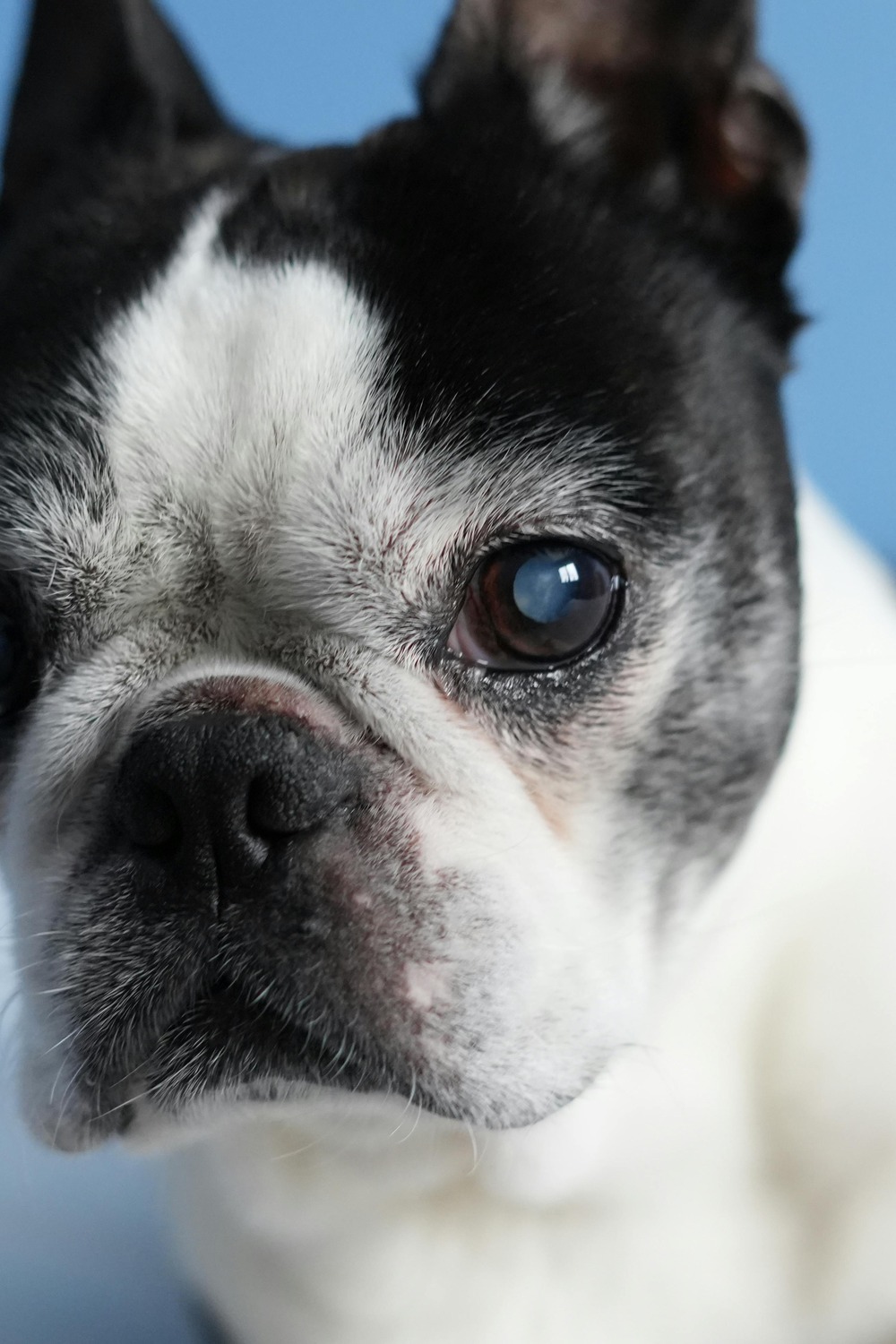
Dogs are stoic by nature — they instinctively hide discomfort to avoid appearing vulnerable. By the time your senior dog shows obvious signs of pain, they've often been suffering for weeks. This guide teaches you to catch the early, subtle signals before they become serious.
As dogs age, pain becomes one of the most common — and most overlooked — quality-of-life issues they face. Arthritis, dental disease, cancer, and organ problems can all cause chronic pain that quietly erodes your dog's happiness. The good news: once you know the signs, you can act quickly and make a real difference.
The 10 Warning Signs to Watch For
Changes in posture or gait
A dog in pain often hunches their back, shifts their weight to avoid pressure on a sore limb, or develops a new stiffness when getting up. You might notice a slight limp that wasn't there before, or a reluctance to put weight on one leg. Even subtle changes in the way your dog walks deserve attention — they rarely happen without cause in senior dogs.
Sudden reluctance to jump, climb stairs or move
If your dog used to jump onto the couch freely and now hesitates or refuses, this is a red flag. Pain in the hips, spine, or joints makes elevation painful. Dogs won't vocalize this — they'll simply stop doing what hurts. Pay attention to avoidance behaviors rather than waiting for a yelp or whimper.
Excessive licking or biting at one spot
When dogs feel localized pain — from a sore joint, an irritated area of skin, or internal discomfort — they instinctively lick or chew at it. If you notice your dog obsessively grooming one specific area that seems otherwise normal, the pain may be deeper than the skin. This is especially common over arthritic joints.
Decreased appetite or sudden disinterest in food
Pain suppresses appetite. If your dog is turning away from meals they used to love, or eating significantly less than usual, don't assume it's just pickiness. Dental pain is one of the most underdiagnosed causes of appetite loss in senior dogs — many dogs eat through significant tooth pain until it becomes unbearable.
⚠️ When to call your vet immediately: If your dog hasn't eaten in more than 24 hours, or is losing weight rapidly, seek veterinary attention the same day. These can be signs of serious underlying conditions.
Personality changes — withdrawal or unusual aggression
A normally gentle dog who suddenly snaps when touched, or a social dog who starts hiding and avoiding interaction, is likely communicating pain. Chronic discomfort changes behavior profoundly. If your dog growls when you touch a specific area, that's an unmistakable message: that spot hurts. Never punish a dog for pain-based aggression.
Increased panting or unusual breathing at rest
Panting is a well-known sign of overheating, but it's also a primary indicator of pain in dogs. If your dog is panting heavily while resting, in a cool environment, without recent exercise — this warrants immediate attention. Pain activates the stress response, which drives the respiratory system to work harder.
Sleep disturbances — restlessness or sleeping far more than usual
Pain disrupts sleep in two opposing ways: some dogs become restless and unable to settle, constantly repositioning to find a comfortable spot. Others become lethargic and sleep excessively as the body tries to recover. Both extremes from your dog's normal sleep pattern deserve attention. A good orthopedic bed can significantly reduce nighttime discomfort.
Sudden increase in thirst and urination
While this is often discussed in the context of diabetes or kidney disease, increased thirst can also indicate that the body is under stress from pain — particularly pain from internal sources like abdominal discomfort or organ issues. If your dog is suddenly drinking much more water than usual, it's always worth a vet visit to rule out multiple causes at once.
Squinting, frequent blinking, or pawing at the face
Eye pain, dental pain radiating to the face, and ear infections are all common in older dogs and frequently go undetected. If your dog squints one eye, rubs their face frequently, or tilts their head persistently to one side, these are pain-related behaviors that require a vet evaluation. Eye conditions in particular can deteriorate rapidly without treatment.
Vocalizing — whimpering, howling, or yelping unprovoked
This is the most obvious sign, but many owners only respond to it when they actually witness it. If your dog vocalizes while moving, when touched, or seemingly out of nowhere — especially at night — they are communicating pain directly. Don't dismiss this as "just being dramatic." Senior dogs rarely vocalize without reason.
What to Do Right Now
If you've spotted one or more of these signs in your dog, here's the action plan vets recommend:
- Schedule a vet appointment — even if symptoms seem mild. Early intervention changes outcomes dramatically.
- Keep a pain diary for 3–5 days: note when symptoms appear, duration, and what precedes them.
- Avoid giving human pain medications (ibuprofen, aspirin, acetaminophen) — these are toxic to dogs.
- Reduce high-impact activity temporarily — no jumping, stairs, or long walks until evaluated.
- Ensure your dog has a comfortable, supportive place to rest that doesn't require climbing.
- Consider a quality joint supplement as a supportive measure while awaiting the vet appointment.
Does Your Dog Need Joint Support?
Over 65% of senior dogs have some degree of arthritis. The right supplement — started early — can slow the progression and significantly reduce daily pain. We've reviewed and ranked the top options.
See the Top 3 Joint Supplements →When Pain Becomes an Emergency
Some situations require same-day or emergency veterinary care. Go immediately if your dog:
- Cannot stand or walk at all
- Is crying or screaming in pain
- Has a visibly swollen or hot joint
- Collapsed suddenly or lost consciousness
- Is breathing rapidly and has pale or blue gums
- Appears disoriented or unable to recognize you
⚠️ Important: This article is for informational purposes only and does not substitute the advice of a licensed veterinarian. If you believe your dog is in pain, always consult a vet professional for proper diagnosis and treatment.
The Bottom Line
Your senior dog cannot tell you in words that something hurts. But they communicate through behavior, posture, appetite, and daily habits — if you know what to look for. The 10 signs above are your early warning system. Trust your instincts: if something feels off with your dog, it almost always is.
The earlier pain is identified and treated, the better your dog's quality of life — and the more time you gain together. Don't wait for a yelp. Watch, learn, and act.
Help Your Senior Dog Thrive
Mental enrichment reduces stress, slows cognitive decline, and improves overall wellbeing — especially in dogs dealing with chronic pain. Brain Training for Dogs is one of the most effective programs we've found.
Explore Brain Training for Dogs →