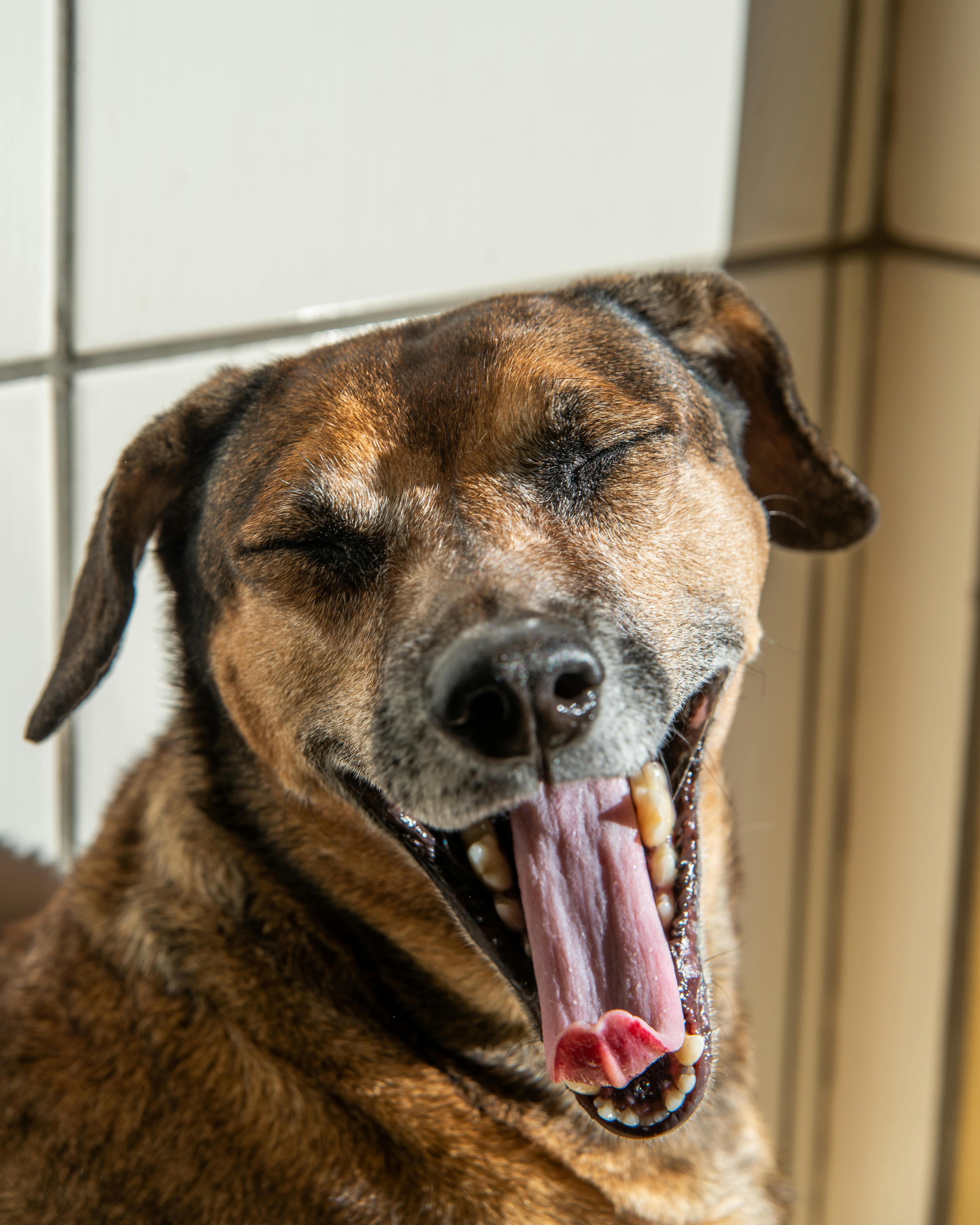
"Dental disease is not a cosmetic problem — it is a systemic one. The bacteria from an infected mouth do not stay in the mouth. They enter the bloodstream and quietly damage the heart, kidneys, and liver over months and years. Protecting your senior dog's teeth is protecting their life."
— Senior Pet Legacy
🦷
Why Dental Health Is Critical in Senior Dogs
Dental disease is the single most prevalent health condition in dogs — more common than obesity, arthritis, or any other condition veterinarians regularly diagnose. By age 3, studies show that over 80% of dogs already have some form of periodontal disease. By the time a dog reaches their senior years, the picture is almost universally concerning without consistent preventive care.
What makes dental disease particularly dangerous in senior dogs is not the mouth itself — it is what happens beyond the mouth. The bacteria colonizing infected gum tissue enter the bloodstream with every heartbeat. Over months and years, these bacteria accumulate in the kidneys, liver, and heart valves, causing progressive organ damage. Studies link severe dental disease in dogs to significantly elevated risks of kidney disease, liver disease, and infective endocarditis — a serious heart condition.
The silver lining is that dental disease is one of the most preventable health conditions affecting senior dogs. A consistent daily routine, combined with the right products, can dramatically slow disease progression and in early stages prevent it entirely.
🪥
Brushing — The Gold Standard of Dental Care
Toothbrushing remains the single most effective dental intervention available for dogs — nothing else comes close. The mechanical action of bristles against tooth surfaces physically disrupts the plaque biofilm before it can harden into tartar. Once tartar forms, it cannot be removed by brushing — only by professional dental cleaning under anesthesia.
Daily brushing is the goal. If daily is not achievable, every-other-day brushing still provides meaningful benefit. Never use human toothpaste — it contains fluoride and xylitol, both toxic to dogs. Use only toothpaste formulated specifically for pets, in flavors dogs accept readily: poultry, beef, or vanilla mint.
🪥
Virbac C.E.T. Enzymatic Toothpaste is the most recommended dental product by veterinary professionals worldwide and holds the VOHC (Veterinary Oral Health Council) seal of acceptance. Its dual-enzyme system works between brushing sessions to chemically inhibit plaque formation — making it significantly more effective than non-enzymatic toothpastes. Available in poultry flavor that dogs genuinely enjoy.
View on Amazon →
🪥 How to Introduce Toothbrushing to a Resistant Senior Dog
Start by letting your dog lick toothpaste from your finger for several days — building positive association with the taste. Then introduce a finger brush wrapped in gauze, gently rubbing just the front teeth. Gradually progress to a soft toothbrush, focusing on the outer surfaces of the back teeth where tartar accumulates fastest. Keep sessions under 60 seconds initially and always end with a treat or praise. Patience over 2–3 weeks produces dogs who genuinely tolerate daily brushing.
- Use only dog-specific toothpaste — never human toothpaste (fluoride and xylitol are toxic)
- Focus on the outer surfaces of the upper back molars — tartar accumulates there first
- A 30–60 second session is sufficient if done daily
- Soft-bristled brushes or finger brushes are gentler on sensitive senior gums
- Brush at the same time each day — routine reduces resistance significantly
- Always reward after brushing — make it a positive experience every time
🦴
Dental Chews — The Enjoyable Daily Supplement
Dental chews work through a combination of mechanical abrasion (the chewing action scrapes plaque from tooth surfaces) and active ingredients that chemically reduce bacteria and tartar formation. They are not a replacement for brushing — but as a daily supplement, VOHC-accepted dental chews provide meaningful additional protection that is also genuinely enjoyable for the dog.
For senior dogs, choose dental chews that are appropriately sized and textured. Overly hard chews can fracture teeth that have weakened with age. The rule of thumb: if you cannot dent the chew with your thumbnail, it is too hard for a senior dog's teeth.
🦴
Greenies Dental Chews are the bestselling dental treat on Amazon and carry the VOHC seal of acceptance for both plaque and tartar reduction. Their unique texture flexes and bends to reach below the gumline, and their highly soluble formula makes them safe and easy to digest — important for senior dogs with slower digestive systems. Available in multiple sizes for all dog weights.
View on Amazon →
💧
Water Additives — Effortless Daily Protection
Water additives are one of the most accessible dental care tools for dogs who resist all forms of direct oral care. Simply added to the water bowl daily, they work by altering the oral environment — reducing bacteria levels, neutralizing pH, and chemically inhibiting the formation of new plaque. They do not replace brushing, but for dogs where brushing is genuinely impossible, they provide a meaningful baseline of protection.
Choose water additives that are odorless and flavorless — strong-flavored additives cause many dogs to drink less water, which is counterproductive and potentially dangerous for senior dogs whose hydration is already a concern.
💧
TropiClean Fresh Breath Water Additive is one of the most widely used and vet-recommended water additives available. It requires no brushing — simply add the measured dose to your dog's water bowl daily. Its formula targets the bacteria responsible for plaque, tartar, and bad breath, providing consistent daily oral protection with zero effort from either dog or owner.
View on Amazon →
🥄
Dental Powder — The No-Brush Alternative
Dental powders represent one of the most innovative recent developments in at-home dog dental care. Sprinkled onto food once daily, they work through the saliva to reduce plaque and tartar formation throughout the day. For senior dogs who genuinely cannot tolerate any form of direct oral handling — due to pain, anxiety, or neurological changes — dental powder provides a meaningful level of protection that would otherwise be impossible to achieve.
🥄
PetLab Co. ProBright Dental Powder is clinically tested and formulated to reduce bad breath and target tartar with daily use. Simply add one scoop to food — no brushing, no wrestling, no stress. Its natural ingredient formula includes brown algae and rosemary, both shown to reduce bacterial plaque formation. Suitable for all breeds and particularly valuable for dogs who resist all direct dental handling.
View on Amazon →
⚠️
Warning Signs of Dental Disease in Senior Dogs
Dogs are instinctively stoic about pain — a survival trait that means dental disease is frequently severe by the time owners notice obvious symptoms. Learning to recognize the subtler early signs allows intervention before the disease reaches a painful, advanced stage.
- Bad breath — the most common early sign; not normal and not just "dog breath"
- Yellow or brown deposits on teeth near the gum line — visible tartar buildup
- Red, swollen, or bleeding gums — signs of active gingivitis
- Pawing at the mouth or rubbing the face — indicates oral discomfort
- Reluctance to chew hard food, toys, or treats — pain-avoidance behavior
- Dropping food while eating or chewing on one side — tooth pain
- Facial swelling below the eye — often indicates a tooth root abscess
- Behavioral changes — increased irritability, withdrawal, or reduced appetite
🚨
When to See a Vet Immediately
Facial swelling, sudden inability to eat, bleeding from the mouth, or a tooth that is visibly loose or discolored require same-day veterinary attention. These symptoms indicate advanced disease or acute injury that cannot wait for a scheduled appointment. Dental pain is real pain — never dismiss these signs as minor.
🩺
Professional Dental Cleanings — Why They're Non-Negotiable
At-home dental care is essential — but it cannot replace professional veterinary dental cleaning. Once tartar has mineralized onto the tooth surface and disease has progressed below the gumline, only professional cleaning under general anesthesia can effectively address it. The concern about anesthesia in senior dogs is understandable and valid — and modern pre-anesthetic bloodwork, monitoring protocols, and anesthetic agents have made dental procedures significantly safer for older patients than they were a decade ago.
The risk of untreated dental disease — systemic bacterial spread to vital organs — typically far exceeds the anesthetic risk of a properly managed professional cleaning in a medically stable senior dog. Discuss individual risk assessment with your veterinarian.
🩺 Senior Dental Cleaning — What to Expect
Your vet will recommend pre-anesthetic bloodwork to assess organ function before the procedure. The cleaning itself involves scaling above and below the gumline, polishing, dental X-rays to assess root and bone health, and extraction of any teeth that cannot be saved. Most dogs recover within 24–48 hours and show immediate improvement in comfort and appetite — often dramatic.
📋
The Complete Senior Dental Care Routine
- Daily: Brush teeth with Virbac C.E.T. enzymatic toothpaste
- Daily: Add TropiClean water additive to water bowl
- Daily: One Greenies dental chew (sized appropriately for your dog's weight)
- Daily (if brushing not possible): One scoop PetLab ProBright powder on food
- Every 6 months: Veterinary oral exam — gums, teeth, and breath assessment
- Annually: Professional dental cleaning under anesthesia with dental X-rays
- Ongoing: Monitor for warning signs — bad breath, reluctance to eat, pawing at mouth
A Healthy Mouth Is a Longer Life
The few minutes you invest in your senior dog's dental care each day are among the highest-return health investments available to you. Clean teeth, healthy gums, and a protected heart — it starts with a toothbrush and the decision to begin.
Explore Senior Dog Products →