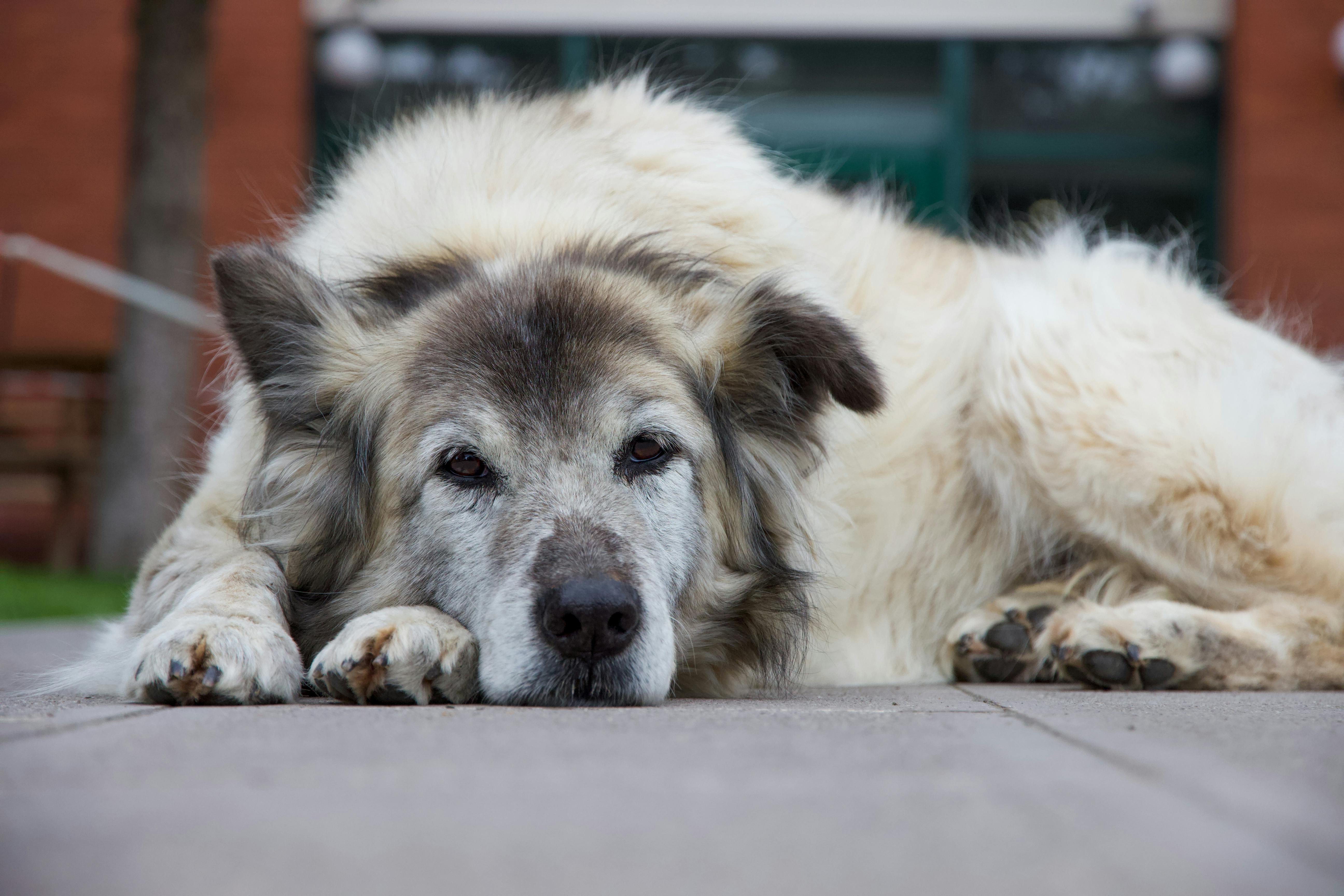
"Sleep is not a passive state for your senior dog — it is when their body repairs tissue, consolidates memory, regulates hormones, and processes the physical and emotional demands of the day. Poor sleep accelerates aging. Good sleep extends quality of life."
— Senior Pet Legacy
🌙
Why Sleep Changes as Dogs Age
Young adult dogs sleep around 12–14 hours a day. Senior dogs — typically those aged 7 and older, depending on breed — often need 16 to 18 hours or more of sleep and rest each day. This is not laziness. It is biology. Aging bodies require more recovery time, and the physiological processes that happen during sleep become more critical, not less, as the years accumulate.
What also changes is sleep quality. Senior dogs experience more fragmented sleep, are more sensitive to discomfort, and may develop disrupted sleep cycles due to pain, cognitive changes, or environmental factors. A dog who appears to sleep a lot but wakes frequently, shifts position often, or seems restless during the night may not be getting the restorative sleep their body needs.
Understanding and actively supporting your senior dog's sleep is one of the highest-impact wellness decisions you can make for their quality of life.
🛏️
Choosing the Right Bed — The Foundation of Good Sleep
The single most impactful change most senior dog owners can make is upgrading their dog's sleeping surface. A regular cushion or folded blanket on the floor does not provide adequate joint support for an aging dog — and the consequences are visible: stiffness when rising, reluctance to lie down, and interrupted sleep from discomfort.
Memory foam orthopedic beds are the gold standard for senior dogs. The foam conforms to the body's shape, distributing weight evenly and eliminating pressure points at the hips, elbows, and shoulders — the areas most vulnerable in aging dogs. The difference a proper orthopedic bed makes is often visible within days: dogs rise more easily, sleep longer, and move with noticeably less stiffness.
🛏️
A high-density orthopedic memory foam bed is the single most impactful sleep upgrade for senior dogs. Look for at least 3–4 inches of solid foam (not shredded), a waterproof inner liner, a washable cover, and bolstered sides that give your dog a surface to rest their head and a sense of security.
View on Amazon →
🛏️ How to Choose the Right Size
Measure your dog from nose to tail while they are stretched out sleeping — this is their true resting length. Add 8–10 inches to find the minimum bed length. Dogs who curl tightly can use smaller beds; dogs who stretch out fully need the larger measurement. When in doubt, go bigger — there is no disadvantage to extra space.
- Choose solid memory foam — not fiberfill, not shredded foam, not spring cushions
- Minimum 3 inches of foam depth for dogs under 30 lbs; 4+ inches for larger dogs
- Look for a waterproof inner liner — senior dogs may have occasional accidents
- Washable, removable cover is essential for hygiene
- Bolstered (raised) edges give dogs a sense of security and a head rest
- Replace beds every 18–24 months as foam compresses and loses support
📍
Location, Location, Location — Where Your Dog Sleeps Matters
The placement of your senior dog's bed is as important as the bed itself. Dogs are social animals — sleeping in complete isolation from their family creates anxiety that directly disrupts sleep quality. Most senior dogs sleep best in or near their owner's bedroom, where they can hear and smell familiar presence throughout the night.
Beyond proximity to family, the sleep location should be draft-free, away from air conditioning vents or fans, and protected from foot traffic and sudden noise disruptions. Senior dogs startle more easily and take longer to return to deep sleep after being woken.
📍 The Best Sleep Spot Checklist
Near the family but not in high-traffic areas. Away from exterior doors and windows (drafts and outside noise). Not directly under air vents or fans. Quiet during nighttime hours. Consistent — senior dogs benefit enormously from sleeping in the same location every night. Routine reduces anxiety and helps regulate their internal clock.
🌡️
Temperature — Senior Dogs Feel the Cold More
Aging changes how dogs regulate body temperature. Reduced muscle mass, thinner skin, slower circulation, and lower metabolic rate all contribute to senior dogs feeling cold more intensely than younger dogs — especially during sleep, when body temperature naturally drops.
A dog who is cold during sleep will not enter deep restorative sleep. They may shiver, curl excessively, or wake frequently seeking warmth. Addressing temperature is a simple but often overlooked component of senior sleep wellness.
💡
A gentle soft night light near your senior dog's sleeping area reduces disorientation during nighttime wake-ups — particularly important for dogs experiencing early cognitive changes. It also allows you to monitor your dog during the night without fully turning on lights that disrupt sleep.
View on Amazon →
- Keep sleeping area between 65–75°F (18–24°C) year-round
- Offer a lightweight blanket for dogs to burrow under if they choose
- Avoid placing beds on cold tile or hardwood floors — use a rug underneath
- Small and toy breeds lose heat faster — extra warmth is especially important
- Watch for shivering, tight curling, or frequent repositioning — signs of cold discomfort
🧠
Sleep Disruption & Canine Cognitive Dysfunction
One of the most common — and most distressing — sleep problems in senior dogs is nighttime restlessness caused by Canine Cognitive Dysfunction (CCD), sometimes called dog dementia. Dogs with CCD may pace, whine, seem confused, or be awake at unusual hours. Their natural sleep-wake cycle becomes disrupted as the brain changes with age.
If your senior dog has recently developed significant nighttime restlessness without an obvious physical cause (pain, needing to urinate), CCD should be discussed with your veterinarian. Several management strategies — including dietary supplements, medications, and environmental adjustments — can meaningfully improve sleep quality in affected dogs.
⚠️
When Nighttime Restlessness Needs Veterinary Attention
Sudden onset of nighttime pacing, crying, or confusion in a previously good sleeper is not a normal aging change — it is a symptom. Pain, urinary tract infections, thyroid dysfunction, and CCD are all treatable causes of sleep disruption. A veterinary exam, not just a new bed, is the appropriate first step when this occurs.
🎯
Dogs who are mentally stimulated during the day sleep better at night — this is as true for dogs as it is for humans. An interactive puzzle toy used in the late afternoon provides the mental fatigue that promotes deep, restorative nighttime sleep without physical strain on aging joints.
View on Amazon →
Pain is the most common cause of poor sleep quality in senior dogs — and it is frequently underestimated by owners because dogs are stoic animals who rarely vocalize discomfort. A dog with arthritis, dental pain, or muscle soreness will shift positions frequently during the night, take longer to settle, and wake earlier than a pain-free dog.
If your senior dog's sleep has deteriorated without an obvious environmental cause, a pain assessment with your veterinarian should be the first step. Many dogs experience dramatic improvements in sleep quality once appropriate pain management begins.
💊
Supporting joint health proactively with glucosamine and chondroitin reduces the nighttime joint discomfort that keeps senior dogs from achieving deep, sustained sleep. These supplements work gradually — begin before significant joint deterioration for maximum benefit.
View on Amazon →
🐟
Omega-3 fatty acids reduce systemic inflammation that contributes to joint pain, muscle soreness, and the general physical discomfort that disrupts senior dog sleep. Given consistently, they work synergistically with joint supplements to meaningfully reduce nighttime pain.
View on Amazon →
🕯️
Building the Perfect Sleep Routine
Dogs are creatures of deep routine — their internal biological clock (circadian rhythm) is powerfully shaped by consistent daily schedules. Senior dogs, whose regulatory systems are less robust than younger dogs, benefit even more from predictable routines. When sleep happens at the same time each night, following the same sequence of activities, the body prepares itself more effectively for rest.
The ideal evening routine for a senior dog signals clearly that the day is winding down: a short, calm walk or gentle outdoor time for a final bathroom break, a light evening meal (if feeding schedule allows), a brief quiet bonding period — then settling into their sleep space with minimal stimulation.
- Establish a consistent bedtime — same time every night, including weekends
- Final bathroom break 30–60 minutes before sleep to prevent nighttime waking
- Avoid high-energy play or excitement in the 2 hours before bedtime
- Dim household lights in the evening — artificial light suppresses melatonin in dogs too
- Keep the sleep environment quiet — consider white noise if you live in a noisy area
- Say goodnight calmly and consistently — dogs read emotional cues from their owners
🌙 The Calming Power of a Predictable Goodbye
Many senior dog owners underestimate the value of a brief, calm, consistent goodnight ritual — a few gentle words, a slow stroke along the back, and settling your dog on their bed before you leave the room. This simple act signals safety and routine to an aging brain that increasingly depends on predictability for emotional regulation.
🚶
Exercise & Sleep — The Critical Balance
Physical activity and sleep quality are directly linked — but for senior dogs, the relationship requires careful balance. Too little exercise leads to restlessness and fragmented nighttime sleep. Too much exercise causes pain flare-ups and excessive fatigue that actually disrupts deep sleep rather than promoting it.
The ideal exercise for a senior dog promotes healthy fatigue without joint strain: two shorter, gentle walks daily rather than one long one, swimming if available and well-tolerated, and calm enrichment activities that provide mental stimulation without physical demands. Timing matters too — a short, calm walk in the early evening helps settle the body for sleep without overstimulating it.
🐶
A supportive, well-fitted harness makes daily walks more comfortable for senior dogs with joint or mobility challenges — allowing them to maintain the gentle exercise that promotes healthy sleep without the strain or discomfort that discourages activity altogether.
View on Amazon →
🏠
Home Adaptations That Support Better Sleep
The physical environment of your home plays a direct role in your senior dog's ability to reach and maintain their sleeping spot safely and comfortably. A dog who struggles to get to bed — because of slippery floors, painful steps, or difficulty navigating furniture — arrives at sleep already stressed and in discomfort.
🏠
A low-incline pet ramp allows senior dogs who sleep on the bed or sofa to reach their spot without the joint-damaging impact of jumping — particularly important at the end of the day when joints are at their most fatigued. Non-slip surface prevents accidents on the way up and down.
View on Amazon →
- Place non-slip rugs on hardwood or tile floors between sleeping area and the door
- Provide a ramp or steps if your dog sleeps on elevated surfaces
- Keep a night light on near the sleeping area for dogs with vision changes
- Ensure water is accessible near the sleep area for nighttime hydration
- Remove obstacles in the path from bed to the door — senior dogs navigate at night too
Give Your Dog the Gift of Deep Rest
Every hour of restorative sleep you help your senior dog achieve is an investment in their health, comfort, and the time you have together. It is one of the most loving things you can do.
Explore Senior Dog Products →