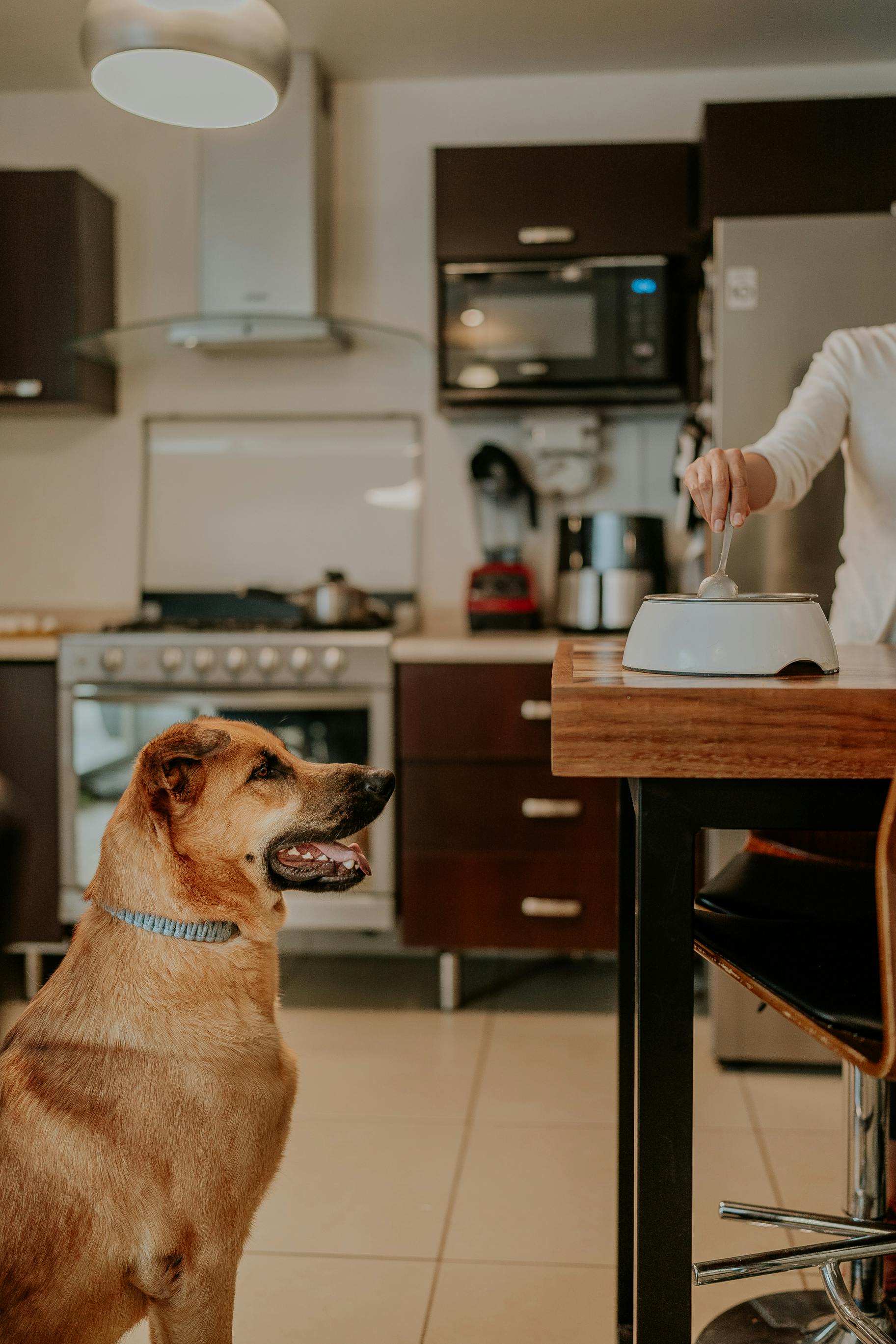
What your dog eats in their senior years directly shapes how they feel, move, and age. Food is not just fuel — for an older dog, it is medicine.
Every dog owner knows the look: that patient, devoted gaze fixed on you as you prepare their meal. For senior dogs, that moment at the food bowl is more important than ever. The right nutrition can reduce inflammation, protect joints, support the kidneys, slow cognitive decline, and add genuine quality to every day of your dog's later years.
The challenge is that the nutritional needs of a senior dog are meaningfully different from those of a younger adult — and many owners don't know exactly when or how to make the shift. This guide covers everything you need to know, from the science of senior nutrition to the specific products and supplements that make a real difference.
When Does a Dog Become "Senior"?
The answer depends on size. Smaller breeds age more slowly and tend to live longer, while giant breeds are considered senior at a much earlier age. As a general guide:
| Breed Size | Weight Range | Senior From | Typical Lifespan |
|---|---|---|---|
| Toy / Small | Under 20 lbs | Age 10–11 | 12–16 years |
| Medium | 20–50 lbs | Age 8–9 | 10–14 years |
| Large | 50–90 lbs | Age 7–8 | 9–12 years |
| Giant | 90+ lbs | Age 5–6 | 7–10 years |
Regardless of size, the nutritional transition should begin gradually — not abruptly — once your dog enters their senior threshold. Sudden diet changes can cause digestive upset and stress; a slow transition over 10 to 14 days is always recommended.
Protein: Quality Over Quantity
One of the most common misconceptions in senior dog nutrition is that older dogs need less protein. In reality, senior dogs need high-quality protein — possibly more than their younger counterparts — because their ability to metabolize and utilize protein becomes less efficient with age.
The key is the source of the protein. Look for foods where the first ingredient is a named, real meat source — chicken, salmon, beef, turkey, lamb. Avoid formulas where "meat by-products," "animal digest," or "meat meal" appear in the first three ingredients.
The Best Senior Dog Food Formula
A veterinarian-recommended senior dog food formula with real meat as the first ingredient, added glucosamine for joint support, and balanced omega fatty acids is the gold standard for aging dogs. Switching to a purpose-built senior formula is one of the single most impactful changes you can make.
Calories: The Senior Metabolic Shift
As dogs age, their metabolism slows and their activity level typically decreases. Most senior dogs need 20 to 30 percent fewer calories than they consumed in their prime adult years. Excess weight in a senior dog is not a minor cosmetic concern — it directly accelerates joint degeneration, strains the cardiovascular system, and increases cancer risk.
At the same time, some senior dogs — particularly those with cancer, kidney disease, or hyperthyroidism — lose weight unintentionally and need calorie-dense, highly palatable food to maintain healthy body condition. There is no universal answer: body condition scoring, done monthly, is the most reliable tool.
Essential Supplements for Senior Dogs
Even the best senior dog food formula may not provide optimal levels of every nutrient an aging dog needs. These are the supplements with the strongest evidence base for senior dogs:
Glucosamine and Chondroitin — Joint Foundation
Glucosamine and chondroitin are the building blocks of cartilage. As dogs age, their natural production declines, leading to the joint wear and stiffness of arthritis. Daily supplementation with glucosamine and chondroitin formulated for dogs has been shown in multiple studies to reduce pain, improve mobility, and slow cartilage degradation. Results are typically visible within 4 to 8 weeks of consistent use.
Omega-3 Fatty Acids — The Anti-Inflammatory Powerhouse
EPA and DHA from high-quality fish oil are among the most beneficial supplements available for senior dogs. They reduce systemic inflammation (which underlies arthritis, heart disease, and cognitive decline), support brain function, protect the kidneys, and improve coat and skin health. Unlike plant-based omega-3s (like flaxseed), fish-derived EPA and DHA are directly bioavailable to dogs without conversion.
Collagen — Skin, Coat, and Joint Support
Collagen is the structural protein of connective tissue — skin, tendons, ligaments, and cartilage. Senior dogs produce less collagen naturally, which contributes to joint laxity, skin thinning, and coat changes. A hydrolyzed collagen supplement provides highly absorbable collagen peptides that support tissue repair and overall structural integrity.
Hydration: The Most Overlooked Nutritional Factor
Water is a nutrient — and for senior dogs, adequate hydration is one of the most powerful tools for protecting kidney function, supporting digestion, and maintaining cognitive clarity. Senior dogs are at significantly higher risk of chronic kidney disease, and dehydration accelerates its progression.
Many senior dogs simply drink less than they should. A pet water fountain with continuous filtration naturally encourages more drinking by keeping water fresh, oxygenated, and cool. The gentle flow triggers dogs' instinct to prefer moving water. Adding warm water or low-sodium broth to dry kibble is another highly effective way to increase daily water intake.
What to Avoid in Senior Dog Nutrition
| Ingredient / Practice | Why to Avoid | Safe? |
|---|---|---|
| Excessive sodium | Strains kidneys and elevates blood pressure | Avoid |
| Artificial preservatives (BHA, BHT) | Linked to organ stress and carcinogenic potential | Avoid |
| Corn syrup / added sugars | Promotes obesity and inflammation | Avoid |
| Unnamed protein sources ("meat meal") | Low digestibility, unpredictable quality | Avoid |
| Excessive phosphorus | Accelerates kidney disease progression | Monitor |
| Real meat (first ingredient) | High-quality, digestible amino acids | Prioritize |
| Whole vegetables and fruits | Natural antioxidants, fiber, and vitamins | Prioritize |
| Named fish oils | Direct source of anti-inflammatory omega-3s | Prioritize |
Making Mealtime Appealing Again
Reduced appetite is common in senior dogs — caused by a declining sense of smell, dental pain, nausea from medications, or underlying illness. Before accepting reduced eating as "just aging," rule out treatable causes with your veterinarian.
For dogs with genuinely reduced appetite, these strategies help consistently:
Warm the Food
Warming food to body temperature (around 100°F) dramatically enhances aroma, which is the primary driver of appetite in dogs. Add a small amount of warm water or warm low-sodium broth to dry food and let it sit for 2 minutes before serving.
Elevate the Bowl
For senior dogs with arthritis, neck stiffness, or megaesophagus, eating from a bowl at floor level can be uncomfortable or even painful. An elevated food bowl reduces the effort required and often improves food intake immediately for dogs with these issues.
Smaller, More Frequent Meals
Two smaller meals per day — or even three — are typically better tolerated than one large meal by senior dogs. Smaller portions are easier to digest, reduce the risk of bloat in large breeds, and help maintain more stable blood sugar levels throughout the day.
Kidney Health and Diet
Chronic Kidney Disease (CKD) is one of the most common conditions in senior dogs, affecting up to 10% of dogs over age 15. Diet plays a central role in both preventing and managing CKD. Key dietary principles for kidney-protective nutrition include:
Keeping phosphorus low — excess phosphorus accelerates kidney damage. Avoid high-phosphorus foods like organ meats, dairy, and certain fish in dogs with known kidney issues. Maintaining adequate hydration — as covered above, water intake is the single most impactful factor in slowing CKD progression. Using high-quality, moderate protein — enough to maintain muscle mass, but from highly digestible sources that generate less metabolic waste.
Senior Dog Nutrition Monthly Checklist
Monthly Nutrition & Weight Assessment
- Weigh your dog and compare to previous month — note any change over 2%
- Body condition score — can you feel ribs? Is the waist visible from above?
- Check food and water intake — any significant increases or decreases?
- Assess coat condition — dullness or excessive shedding may indicate nutritional gaps
- Review supplement routine — are all supplements being given consistently?
- Check stool consistency — very loose or very hard stools warrant dietary review
- Note energy levels at mealtimes — reduced enthusiasm can signal dental pain or nausea
- Confirm water fountain filter has been changed on schedule
Every Meal Is an Act of Love
What you put in your senior dog's bowl every day is one of the most powerful expressions of care you can give. The right nutrition doesn't just extend life — it improves every day of the life they have left.