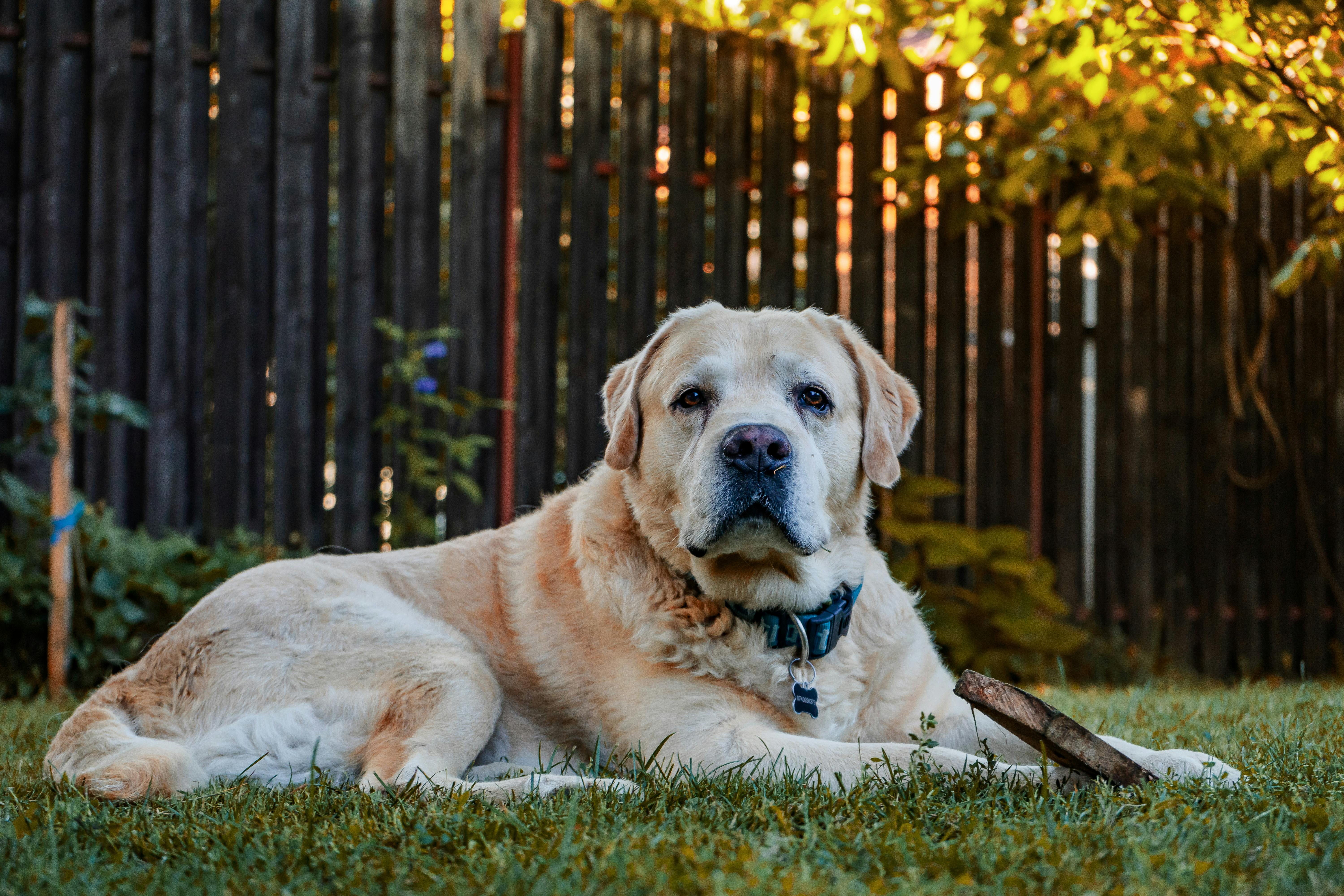
As dogs age, their coat and skin change in ways that demand a new approach to grooming. Learn how to keep your senior dog comfortable, healthy, and looking their best — at every stage of their golden years.
"Grooming a senior dog is not just about appearance — it is a hands-on health assessment, a bonding ritual, and one of the most consistent acts of care you can offer. Every brushing session is a chance to detect what a vet visit might miss."
— Senior Pet LegacyA senior dog's coat is not simply an older version of a younger dog's coat — it is physiologically different in ways that demand a meaningfully different grooming approach. As dogs age, several changes occur simultaneously: sebaceous glands produce fewer natural oils, leaving the skin drier and more prone to flaking; hair follicles weaken, causing increased shedding and a coarser texture; skin elasticity decreases, making the skin thinner and more vulnerable to irritation; and immune function changes make senior dogs more susceptible to skin infections, hot spots, and fungal conditions.
These changes are universal across breeds, though the degree varies. Long-coated breeds may notice matting that was never a problem before. Short-coated breeds may develop flaky, dull coats. Double-coated breeds may shed more heavily. Understanding these changes allows you to adapt your grooming routine proactively — preventing problems rather than treating them after they arise.
Beyond the physical changes, grooming also becomes more emotionally significant in senior years. The sustained gentle touch of a brushing session reduces cortisol, provides physical comfort, and deepens the bond between dog and owner in a way that becomes increasingly meaningful as the dog's world contracts with age.
Senior dogs generally benefit from bathing every 3 to 4 weeks — more frequently than younger dogs whose coat is more self-regulating. Their reduced natural oil production means dirt and debris accumulate faster while the coat loses its natural water resistance. However, over-bathing strips what little oil remains, worsening dryness and flaking.
Water temperature matters significantly for aging dogs. Lukewarm water — never hot — is essential. Senior dogs have reduced thermoregulation and thinner skin that can be scalded more easily than younger dogs. Always test water temperature with your wrist before bathing. Use a non-slip mat in the tub — wet tile is a serious fall risk for dogs with joint issues.
A pH-balanced, moisturizing shampoo formulated for sensitive aging skin replaces stripped oils while cleaning effectively. Look for oatmeal, aloe vera, or coconut oil as active ingredients — these soothe irritated skin and restore moisture without residue. Always rinse thoroughly; leftover shampoo causes skin irritation in senior dogs.
View on Amazon →Never allow a senior dog to air-dry in a cool environment. Wet fur against aging skin in a drafty room can cause rapid chilling, muscle stiffness, and discomfort. Use a warm (not hot) blow dryer on the lowest setting, or thick absorbent towels, and keep your dog in a warm room until completely dry. This is especially important for small breeds and dogs with thin coats.
Regular brushing is the single most impactful grooming habit for senior dogs — and not only for coat health. Every brushing session gives you systematic, hands-on access to your dog's entire body surface. You will detect lumps, skin changes, parasites, painful areas, and coat changes far earlier than a vet visit could. This early detection can be genuinely life-saving.
The brushing frequency depends on coat type: long and double-coated breeds benefit from daily brushing; short-coated breeds need 2–3 sessions per week. What changes in senior years is the pressure and technique — aging skin is thinner and more sensitive, and brushing strokes that were comfortable at age 3 may be uncomfortable at age 10. Use lighter pressure, shorter strokes, and be especially gentle around bony prominences like the hips, spine, and shoulders.
Many senior dog owners choose to keep their dogs in shorter clips than they did when the dogs were younger — a practical decision that reduces grooming burden, improves hygiene, and makes it easier to monitor the skin. This is especially relevant for long-coated breeds like Shih Tzus, Maltese, and Poodles whose coat maintenance becomes more demanding as the dogs are less tolerant of lengthy grooming sessions.
Professional grooming every 6–8 weeks is the standard recommendation for most coated breeds. When grooming a senior dog, a good groomer will use shorter sessions with breaks, a non-slip table surface, and extra warmth. If your dog has never been professionally groomed before, introduce it gradually — the stress of an unfamiliar environment can be significant for older dogs.
The Wahl Color Pro Cordless Clipper is an excellent choice for at-home maintenance between professional grooming sessions. Its quiet motor reduces stress for noise-sensitive senior dogs, the cordless design allows full freedom of movement, and the color-coded guide combs make it easy to maintain consistent lengths safely at home.
View on Amazon →Breeds like Huskies, Golden Retrievers, German Shepherds, and Corgis have double coats that regulate body temperature in both heat and cold. Shaving removes this insulation permanently — the coat rarely grows back with the same protective properties. Brush out the undercoat instead of shaving, even in warm months.
Overgrown nails are one of the most overlooked sources of pain and mobility problems in senior dogs. When nails grow too long, they change the angle at which the paw contacts the ground — forcing the dog to shift their weight in compensatory ways that increase stress on the wrists, elbows, hips, and spine. In a dog already managing arthritis or joint disease, this additional stress is significant.
Senior dogs need nail trims every 3–4 weeks — more frequently than younger dogs, because reduced activity means nails no longer wear down naturally through walking. Many senior dogs also become more resistant to nail trims as they age, due to handling sensitivity or past negative experiences. Patience, high-value treats, and a gradual desensitization approach make a significant difference.
If your senior dog resists nail trims, try a scratch board — a piece of sandpaper attached to a board on the floor. Spread peanut butter on a lick mat at nose height and let your dog naturally scratch the sandpaper to reach it. Over several sessions this wears the front nails gradually without any handling stress. Ask your vet or groomer about this technique.
Senior dogs require more consistent attention to the areas that are easy to overlook: eyes that develop discharge more readily as tear ducts change with age; ears that accumulate wax faster and are more prone to infections; and paws where the pads can crack and thicken while the nails between the toes grow unnoticed.
Every grooming session is a full-body health check. Senior dog owners who groom consistently develop an intimate knowledge of their dog's body that allows them to detect changes weeks before they would otherwise be noticed. This early detection is one of the most powerful preventive health tools available.
Omega-3 fatty acids are the most impactful dietary supplement for senior coat and skin health. They reduce systemic inflammation, restore moisture to dry skin, reduce shedding, and give the coat a visible luster that no shampoo alone can achieve. Results are typically visible within 4–6 weeks of consistent supplementation.
View on Amazon →Grooming your senior dog is not a chore — it is one of the most consistent, intimate ways you show them that they are seen, cared for, and cherished. Make it gentle, make it regular, and make it count.
Explore Senior Dog Products →