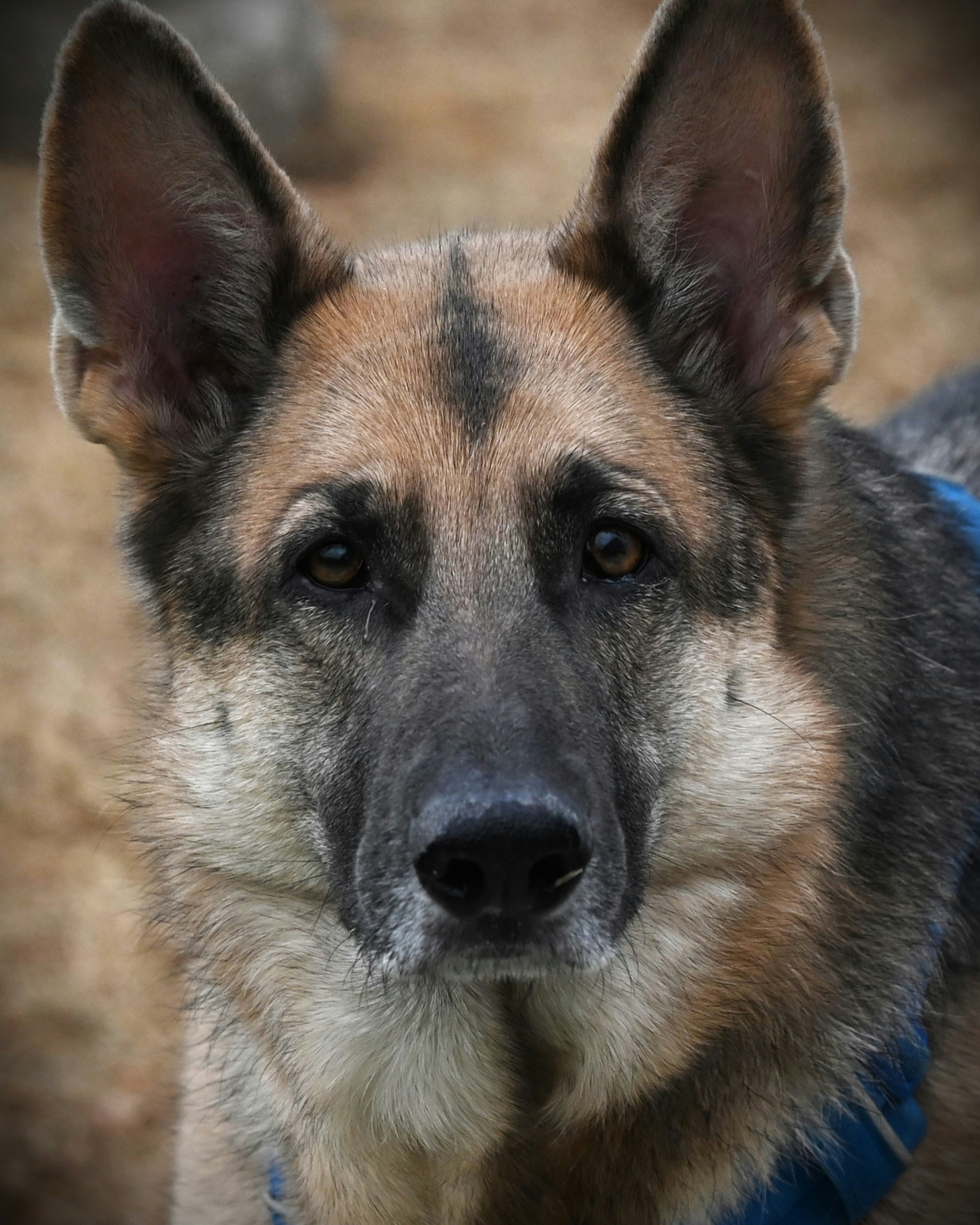
There is a quiet dignity to an aging German Shepherd. The dog that once patrolled the yard with purpose, responded to commands with precision, and shadowed your every move with absolute attentiveness now moves a little more slowly — but watches you with the same unwavering loyalty they always have. That loyalty never fades. What changes is the body that carries it.
German Shepherds are one of the most intelligent and devoted breeds in the world, but they are also a breed with some of the most serious age-related health vulnerabilities. Understanding those vulnerabilities — and responding to them with the right care — is what separates a difficult senior experience from a dignified, comfortable one.
"German Shepherds give their whole lives in service to the people they love. As they age, it becomes our turn to serve them — with patience, attentiveness, and the care their loyal hearts have always deserved."
Degenerative Myelopathy: The Condition Every GSD Owner Should Know
Degenerative myelopathy (DM) is a progressive neurological disease that affects the spinal cord and is disproportionately common in German Shepherds. It typically begins with weakness and wobbling in the hind legs — often mistaken for arthritis — and can progress over months or years to significant rear limb paralysis.
Early signs include dragging the back feet, difficulty rising, crossing the rear legs while walking, and a general loss of coordination in the hindquarters. Unlike arthritis, DM is not painful — but it is life-altering for both dog and owner, and the earlier it is identified, the more effectively it can be managed.
While there is no cure for degenerative myelopathy, a support harness is one of the most valuable tools for dogs in the early to mid stages of the condition. It allows you to assist your GSD with balance and movement — helping them walk, navigate stairs, and maintain their independence for as long as possible without placing strain on their compromised hindquarters.
Support Harness for Senior Dogs
Provides the rear-end support that German Shepherds with DM or hip dysplasia need — allowing you to assist their movement safely and comfortably as they navigate daily life.
Hip Dysplasia and Joint Pain
In addition to degenerative myelopathy, German Shepherds are one of the breeds most commonly affected by hip dysplasia — a condition where the hip joint develops abnormally, leading to instability, cartilage wear, and eventually severe arthritis. The combination of hip dysplasia and the rear-end weakness associated with DM can make mobility a significant challenge for senior GSDs.
Joint supplementation with glucosamine and chondroitin is an essential part of managing hip dysplasia in senior German Shepherds. These compounds support cartilage repair, reduce inflammation within the joint, and can meaningfully slow the progression of arthritis — giving your GSD more comfortable, mobile days.
Glucosamine for Dogs — Joint Support Supplement
Supports cartilage health and reduces joint inflammation — a daily essential for German Shepherds managing hip dysplasia and the mobility challenges of aging.
Fish oil, rich in omega-3 fatty acids, is equally important for managing the systemic inflammation that drives joint pain in senior GSDs. It works at the cellular level to reduce inflammatory responses — supporting not just joint health, but also cognitive function and coat condition in aging dogs.
Fish Oil Omega-3 for Dogs
Reduces joint and systemic inflammation, supports brain health, and promotes a healthy coat — a powerful daily supplement for every senior German Shepherd.
The Right Place to Rest
For a German Shepherd dealing with hip dysplasia or early degenerative myelopathy, where they sleep matters enormously. A flat or inadequate sleeping surface allows pressure to concentrate on the hips, shoulders, and elbows during rest — compounding the inflammation and stiffness that makes mornings so difficult for senior GSDs.
An orthopedic memory foam dog bed distributes your GSD's body weight evenly, eliminates pressure points, and provides the deep joint relief that allows an aging German Shepherd to wake up with significantly less stiffness. Place it on a non-slip surface and in a location your dog can reach without navigating stairs whenever possible.
Orthopedic Memory Foam Dog Bed
Thick, supportive foam that relieves pressure on arthritic hips and joints — giving your senior German Shepherd the deep, restorative rest their body needs every night.
Safe Movement Around the Home
Smooth floors are particularly dangerous for senior German Shepherds, especially those experiencing rear-end weakness. A dog that is already struggling with coordination and hind leg stability is at significant risk of slipping and falling on hardwood or tile — and a fall can cause serious injury as well as deep anxiety about moving freely through the home.
Placing non-slip mats in the areas your GSD navigates most — beside their bed, near their food and water, along hallways — creates safe pathways that give them the traction and confidence to move without fear. For Shepherds who struggle with car access, a ramp eliminates the dangerous impact of jumping on compromised rear legs.
Dog Ramp for Cars & Furniture
Protects your senior GSD's hips and rear legs from the impact of jumping — essential for dogs managing hip dysplasia or early degenerative myelopathy.
Nutrition for a Working Breed in Retirement
German Shepherds are a working breed, and their nutritional needs reflect that heritage — even in retirement. As they age and become less active, their caloric needs decrease, but their need for high-quality protein to maintain muscle mass remains high. Muscle mass is particularly important for GSDs managing rear-end weakness, as stronger muscles can compensate — at least partially — for neurological deficits.
A senior-specific dog food with high-quality animal protein, controlled calories, and added joint-supporting nutrients gives your aging GSD the nutritional foundation they need to maintain strength and vitality in their later years.
Senior Dog Food — Age-Appropriate Nutrition
High-quality protein to maintain muscle mass, controlled calories to prevent weight gain, and added nutrients to support the aging body of your senior German Shepherd.
Managing Anxiety in Senior German Shepherds
German Shepherds are deeply bonded to their owners and highly sensitive to changes in their environment and routine. As they age, this sensitivity can intensify — senior GSDs may become more anxious when left alone, more reactive to loud noises, or more unsettled by changes in the household. Cognitive changes associated with aging can also contribute to increased anxiety and nighttime restlessness.
Keeping a consistent routine, providing plenty of gentle mental stimulation, and ensuring your GSD always has a calm, safe space to retreat to are all important. A puzzle toy provides the kind of low-intensity mental engagement that can help a senior German Shepherd stay calm and focused without overstimulating an already anxious dog.
Dog Puzzle Toy — Mental Enrichment
Keeps your senior GSD's sharp mind engaged and calm — providing the gentle mental stimulation that helps manage anxiety and slow cognitive decline in aging dogs.
Natural Support: What GSD Owners Are Exploring
Among large breeds facing joint pain, mobility challenges, and anxiety — and German Shepherds are particularly affected by all three — hemp oil has become one of the most discussed natural wellness options for senior dogs. Pet parents of aging GSDs are increasingly exploring hemp-derived products to help manage everyday discomfort, support calmer behavior, and promote general wellbeing during the senior years.
If you're considering hemp oil as part of your senior German Shepherd's wellness routine, we've written a complete and honest guide covering everything pet parents need to know before getting started.
Hemp Oil for Senior Dogs: What Pet Parents Should Know
A complete, honest guide to hemp oil for aging dogs — how it works, what to look for, and how it may support your senior GSD's comfort, mobility, and peace of mind.
"A German Shepherd never stops being your protector — even when their body begins to need your protection in return. That exchange of care is one of the most profound things a dog and their person can share."
Senior German Shepherds are extraordinary animals. They carry years of loyalty, intelligence, and devotion in every step they take — even when those steps are slower and more careful than they once were. The care you provide in their senior years is not just about managing health conditions. It is about honoring everything they have given you.
With the right support, a senior German Shepherd can continue to live with dignity, comfort, and purpose — still watching over you, still by your side, still your most devoted companion.