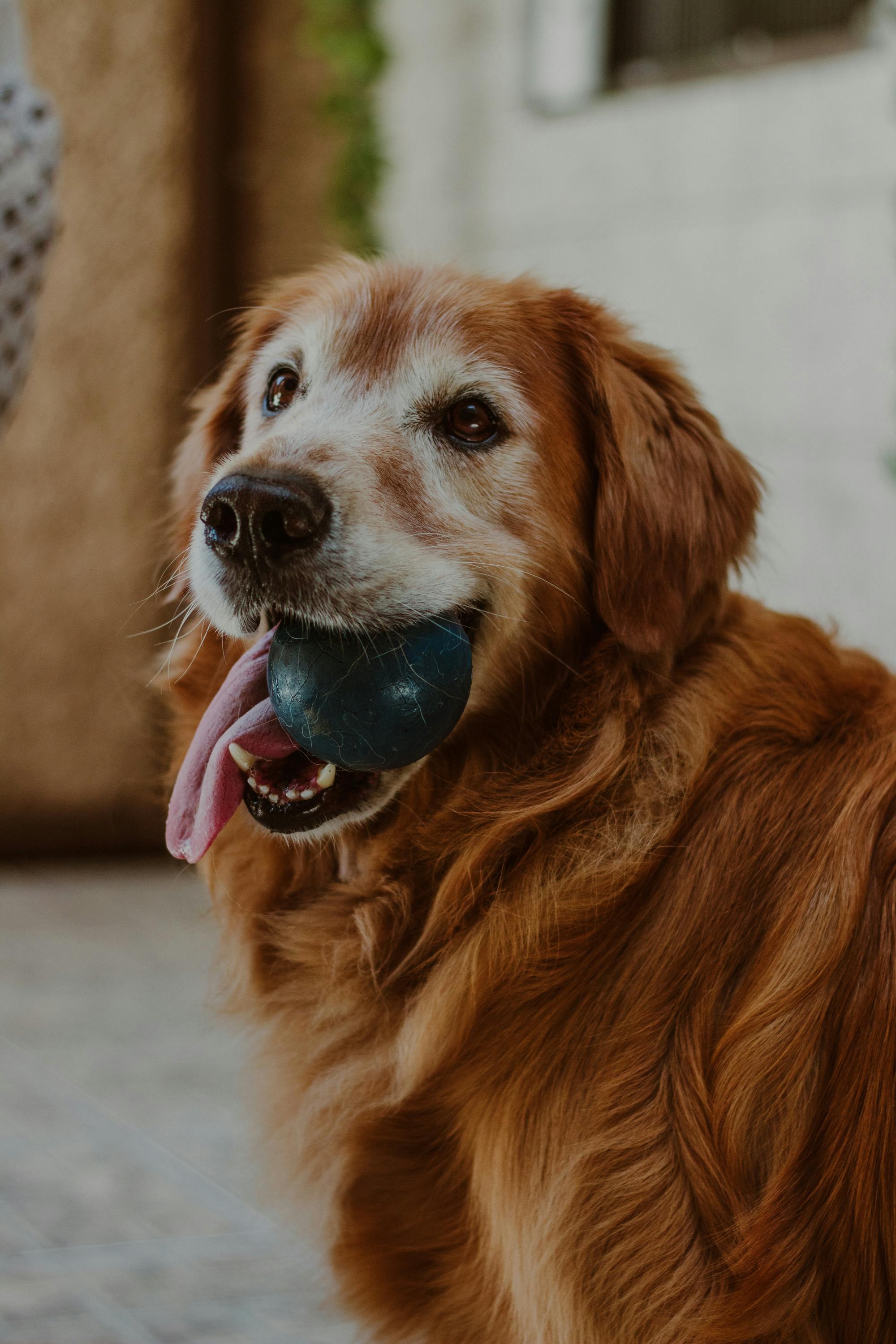
"A senior dog who stops moving deteriorates faster than a senior dog who moves gently every day. The goal is not performance — it is circulation, joint lubrication, mental stimulation, and the irreplaceable joy of being outside with the person they love most."
— Senior Pet Legacy
🚶
Why Movement Remains Essential — Even Now
One of the most common and well-intentioned mistakes senior dog owners make is reducing or eliminating their dog's exercise to protect aging joints. The instinct makes sense — movement hurts, so movement must be harmful. But the opposite is closer to the truth. Gentle, consistent movement is one of the most powerful tools available for managing joint disease, maintaining muscle mass, supporting cardiovascular health, and preserving quality of life in aging dogs.
Joints without movement lose lubrication. Muscles without use atrophy rapidly, removing the structural support that protects joints from impact. Cardiovascular systems without regular gentle demand lose efficiency. And dogs without the outdoor stimulation of walks lose one of their primary sources of mental enrichment and emotional connection with their person.
The answer is never "stop exercising." The answer is "exercise differently" — with adjusted duration, pace, surface, and timing that honors your dog's current capacity while continuing to provide the movement their body and mind need.
⏱️
The Golden Rule: Two Short Walks Over One Long Walk
The single most impactful adjustment most senior dog owners can make to their exercise routine is splitting one longer walk into two shorter ones. A 30-minute walk asks joints that have stiffened overnight to sustain effort for a duration that increasingly exceeds their comfortable capacity. Two 15-minute walks — one in the morning after the body has had time to warm up, one in the early evening — provide the same total movement with dramatically less joint stress and fatigue.
The ideal walk duration for most senior dogs falls between 15 and 30 minutes per outing, depending on breed, size, and individual health status. Large and giant breeds typically need to reduce further than small breeds. Your dog's behavior during and after the walk is the most reliable guide: a dog who slows significantly, lags behind, limps, or is stiff for more than 30 minutes after a walk has been walked too far.
⏱️ The 24-Hour Rule
After any walk or exercise session, monitor your dog for the next 24 hours. Increased stiffness, reluctance to rise, limping, or behavioral changes like increased irritability or withdrawal all indicate the previous session was too demanding. Reduce duration or intensity accordingly — and never push through these signals.
🐕
Always Use a Harness — Never a Collar
For senior dogs, the transition from collar to harness is not optional — it is a fundamental safety and comfort upgrade. Collars concentrate leash tension directly on the neck and cervical spine, causing pain in dogs with arthritis or spinal degeneration, and potentially exacerbating tracheal issues in small breeds. A well-fitted harness distributes pressure across the chest and shoulders, eliminating neck strain entirely and giving you better control of a dog whose balance or gait may have become less reliable.
🐶
A supportive, well-padded harness designed for senior dogs distributes leash pressure evenly across the chest, eliminates neck strain, and provides a handle for gentle assistance on stairs or uneven terrain. Look for an easy step-in design — senior dogs with joint pain often resist harnesses that require lifting their legs overhead.
View on Amazon →
🌿
The Sniff Walk — Slow Down and Let Them Lead
One of the most significant gifts you can give a senior dog on a walk is permission to stop and sniff. For younger dogs walked briskly, sniffing is a detour. For senior dogs, sniffing IS the walk — and it is profoundly enriching. A dog processing the olfactory information available in a 10-foot stretch of grass is mentally engaged at a level that rivals vigorous physical exercise.
The "sniff walk" — a slow, dog-led walk where the dog sets the pace and stops as long as they choose — is increasingly recognized as one of the highest-value activities available to aging dogs. It provides simultaneous physical movement, mental stimulation, emotional satisfaction, and outdoor sensory engagement. And it requires nothing from you but patience and a loose leash.
🌿 How to Do a Sniff Walk
Choose a familiar, safe route. Let your dog lead — follow their nose, not your route. Allow them to stop at every interesting spot for as long as they want. Walk at their pace, not yours. The walk may cover half the distance it used to. That is not a failure — it is success. Your dog is getting exactly what they need.
🏊
Low-Impact Exercise Alternatives
When joint pain, arthritis, or mobility limitations make traditional walking increasingly difficult, several low-impact alternatives provide the cardiovascular and muscular benefits of exercise without the joint stress of weight-bearing activity on hard surfaces.
- Swimming / Hydrotherapy: The most joint-friendly exercise available — water buoyancy eliminates impact while resistance strengthens muscles. Canine hydrotherapy facilities offer supervised sessions with therapeutic warm water
- Underwater treadmill: Available at many veterinary rehabilitation centers — combines the benefits of walking with the joint protection of water buoyancy
- Gentle play on grass: Soft surfaces reduce joint impact significantly compared to concrete or hardwood — encourage gentle outdoor play on grass when possible
- Balance exercises: Standing on slightly unstable surfaces (a folded blanket) for 30–60 seconds activates stabilizing muscles without cardiovascular demand
- Indoor movement: On bad weather days, gentle walking through the house, up and down a short hallway, or slow stair work (if joints allow) maintains circulation
🌡️
Weather, Surface & Timing Considerations
Senior dogs are more vulnerable than young dogs to environmental extremes, and their exercise schedule should adapt accordingly. Heat is particularly dangerous — older dogs regulate body temperature less efficiently, and heatstroke can develop rapidly. In summer, walk in the early morning or after sunset when temperatures and pavement heat have dropped significantly. Always test pavement temperature with the back of your hand — if it's too hot to hold for 5 seconds, it's too hot for paws.
Cold weather presents the opposite challenge — stiff joints become stiffer in cold, and senior dogs with thin coats or low muscle mass lose body heat quickly. A warm dog jacket for outdoor sessions in cold climates is not a luxury — it is joint-protective gear.
☀️
Heat Safety for Senior Dogs
Never walk a senior dog on pavement in temperatures above 80°F (27°C) during peak hours. Signs of heat stress — excessive panting, drooling, stumbling, glazed eyes — require immediate shade, cool water, and veterinary contact. Senior dogs can go from uncomfortable to critical faster than young dogs.
💊
Supporting Exercise with Joint & Mobility Care
Exercise and joint supplementation work synergistically — gentle movement stimulates cartilage nutrition, while supplements provide the building blocks cartilage needs to maintain integrity under that gentle load. Beginning supplementation before significant joint damage occurs — ideally around age 7 for large breeds, age 9 for small breeds — gives these compounds time to work proactively.
💊
Glucosamine and chondroitin support cartilage health and reduce joint inflammation, making daily walks more comfortable and sustainable for senior dogs. Given consistently over time, they allow aging dogs to maintain the gentle activity that is itself one of the best joint medicines available.
View on Amazon →
🐟
Omega-3 fatty acids reduce the systemic inflammation that drives joint pain and stiffness in aging dogs. Many owners report visible improvements in their dog's willingness to walk and ease of movement within 4–6 weeks of consistent omega-3 supplementation.
View on Amazon →
📋
The Adapted Exercise Daily Plan
A simple, consistent daily routine that balances movement with rest is the most effective exercise strategy for senior dogs. Here is a practical framework adaptable to most senior dogs' needs:
- Morning (after rising): Allow 10–15 minutes of gentle indoor movement before going outside — cold, stiff joints need a warm-up period
- Morning walk: 15–20 minutes at a relaxed pace, sniff-led, on soft surfaces when possible
- Midday: Rest — senior dogs need significant downtime between activity periods
- Afternoon: Short indoor enrichment — puzzle toy, gentle training, or scent game (5–10 minutes)
- Evening walk: 15–20 minutes, calm pace, before full dark — final bathroom opportunity
- Evening: Rest and quiet bonding time — the day's movement is complete
📋 Let Your Dog Tell You What They Need
On high-pain days — signaled by reluctance to rise, visible stiffness, or withdrawn behavior — reduce walks to a brief toilet break and substitute indoor enrichment. On good days, you can extend slightly. The goal is sustainable consistency over weeks and months, not maximum output on any single day.
Every Step Together
Is a Gift
The walks may be shorter now. The pace may be slower. But the joy your senior dog feels going outside with you — nose working, tail moving, world full of smells and sounds — has not diminished at all. Keep moving. Together.
Explore Senior Dog Products →