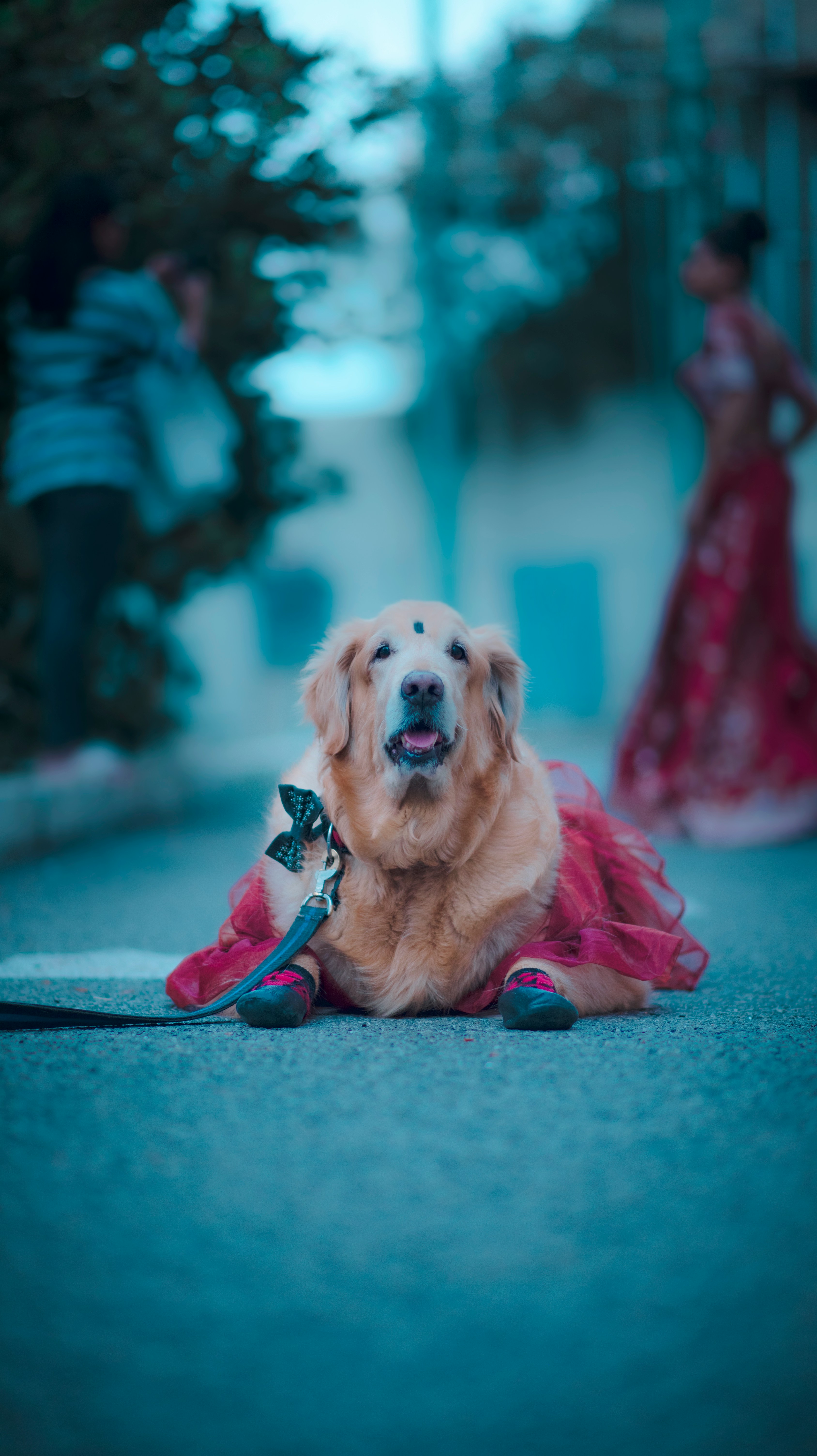
It's the most recognizable signal in dog body language — and one of the most misread. A wagging tail doesn't simply mean "I'm happy." It's a nuanced, directional, speed-calibrated communication system. Here's how to decode it.
Why Dogs Wag at All
Dogs don't wag their tails when alone. This seemingly small observation is actually one of the most revealing things scientists have found about tail-wagging: it's a social signal, not a reflexive emotional expression. When dogs interact with other dogs, humans, or animals, the tail becomes a visible broadcast of their internal state. When no one is watching, the tail goes still.
This social dimension of tail-wagging helps explain why it evolved at all. Wolves — living in social groups where reading others' intentions is a survival skill — use tail position as part of a complex body language system. Domestication amplified this, with dogs developing even more exaggerated and frequent tail movements as they co-evolved with a species (us) that relied heavily on visual communication.
A fascinating 2007 study from the University of Trieste found that dogs wag more to the right when they see their owner, and more to the left when they see an unfamiliar or threatening dog. The right-bias wag corresponds to positive emotion and approach motivation; the left-bias corresponds to withdrawal or negative emotion. The direction matters — and other dogs can read it.
Reading the Tail: A Complete Guide
The Whole-Body Wag
The best sign of genuine happiness isn't just the tail — it's the whole-body wag. When a dog's rear end swings along with their tail, when their mouth is relaxed and slightly open, when their ears are soft and their eyes are bright — that's a dog experiencing genuine positive emotion. The tail is the headline, but the body is the full story.
Senior Dogs and Tail Language
Older dogs often wag differently than younger ones — and this is worth understanding rather than worrying about. A senior dog may show a gentler, more contained wag where once they had an enthusiastic full-body wiggle. This doesn't mean less happiness. It often means contentment — a quieter, deeper satisfaction that doesn't require the same physical expression it once did.
Watch for the quality and context of your senior dog's wag rather than its intensity. A soft, sustained wag when you sit beside them on their orthopedic bed at the end of the day carries just as much meaning as the frantic greeting of their youth — perhaps more.
One concern worth noting: if a senior dog who normally wags suddenly stops wagging or begins holding their tail at an unusual angle, this can occasionally indicate pain in the tail, back, or hindquarters. Tail injuries ("happy tail"), spinal issues, and anal gland discomfort can all affect tail carriage. If the change is sudden and persistent, a vet check is worthwhile.
🐾 Key Takeaways
- Dogs only wag when in social situations — it's communication, not just emotion
- Right-biased wag = positive feeling; left-biased wag = negative or cautious feeling
- High, stiff wag means arousal; wide sweep means friendliness; helicopter = pure joy
- Senior dogs often show quieter wags — this is contentment, not sadness
- A sudden change in tail carriage in an older dog can signal pain worth investigating