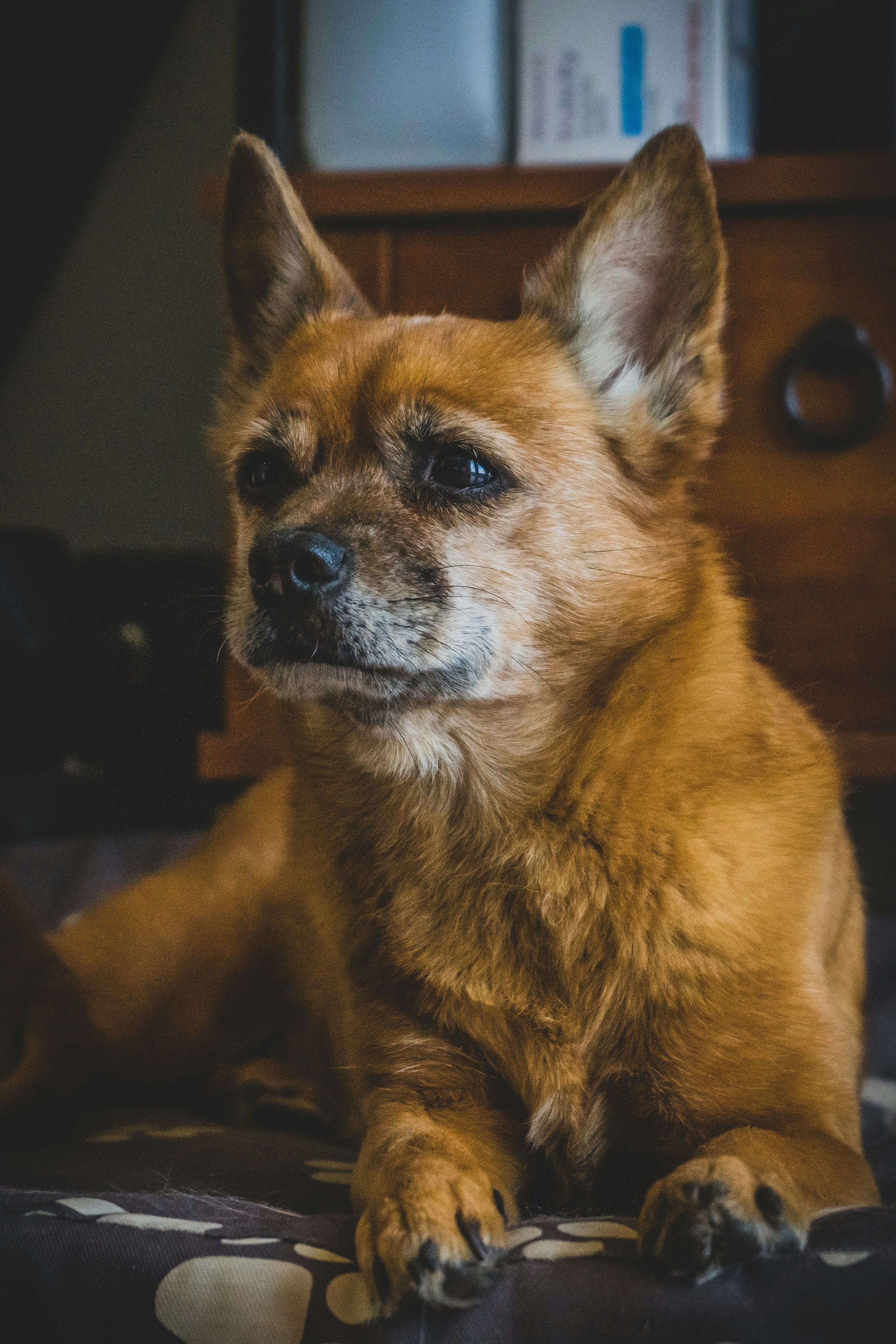
Licking is one of the first things a dog does after birth and one of the last things they do before sleep. It's woven into every stage of their life — and it carries far more meaning than simple affection.
Where Licking Begins
Dog licking starts before they can even see. Mother dogs lick their newborns to stimulate breathing, regulate temperature, and encourage elimination. From day one, licking is survival and care intertwined. That early imprinting stays with dogs their entire lives — licking remains a deeply instinctive comfort behavior rooted in the mother-pup bond.
Why Your Dog Licks You Specifically
Affection and Bonding
The most common reason is the simplest: affection. Licking releases oxytocin in dogs — the same bonding hormone triggered by eye contact and physical touch. When your dog licks you, their brain is actively rewarding them for the closeness. It feels good to them, in a measurable neurochemical way, to express care for you.
Communication and Appeasement
In dog social language, licking a more dominant individual is a submissive appeasement gesture — a signal of trust and goodwill. When your dog licks your face, they may be saying "I respect you, I feel safe with you, I mean no harm." It's a peace offering that also deepens the relationship.
Taste — You're Salty
Human skin carries salt from sweat, traces of food, lotions, and a unique biochemical scent profile. To a dog with a nose 100,000 times more sensitive than ours, you are an extraordinarily complex and interesting surface. Some licking is pure sensory exploration — they're reading you the way you'd read a book.
Stress Relief
Licking releases endorphins. It's self-soothing behavior — similar to how humans fidget, bite nails, or pace when anxious. If your dog licks you more when you're upset, when there's noise outside, or in new environments, this is likely a self-regulatory response. Comforting you may also be comforting them.
Studies measuring cortisol levels in dogs show that both giving and receiving licking can lower stress hormones. Dogs who lick their owners in stressful situations show measurably lower cortisol afterward than those who don't. The lick isn't just sweet — it's physiologically regulating.
When Licking Becomes Excessive
Occasional licking is completely normal. But compulsive, prolonged licking — especially of themselves, specific surfaces, or always focused on one part of your body — can signal underlying anxiety, pain, or an obsessive-compulsive pattern worth discussing with your vet.
For senior dogs especially, a sudden increase in licking behavior can occasionally reflect cognitive changes, discomfort, or nausea. If your older dog begins licking the air, the floor, or surfaces compulsively, mention it at your next vet visit.
Should You Let Your Dog Lick You?
This is a personal choice. Dog mouths harbor bacteria, though the risk to healthy adults is low. Avoid allowing licking near open wounds or on the faces of young children and immunocompromised individuals. For most healthy adults, occasional licking poses minimal health risk and carries real emotional benefit — for both of you.
🐾 Key Takeaways
- 🐾Licking is rooted in the mother-pup bond and stays meaningful throughout life
- 🐾It releases oxytocin in dogs — it genuinely feels like love to them
- 🐾Licking also communicates appeasement, explores scent, and relieves stress
- 🐾Compulsive licking in senior dogs can signal anxiety or health changes
- 🐾For healthy adults, occasional licking is safe and emotionally meaningful for both parties