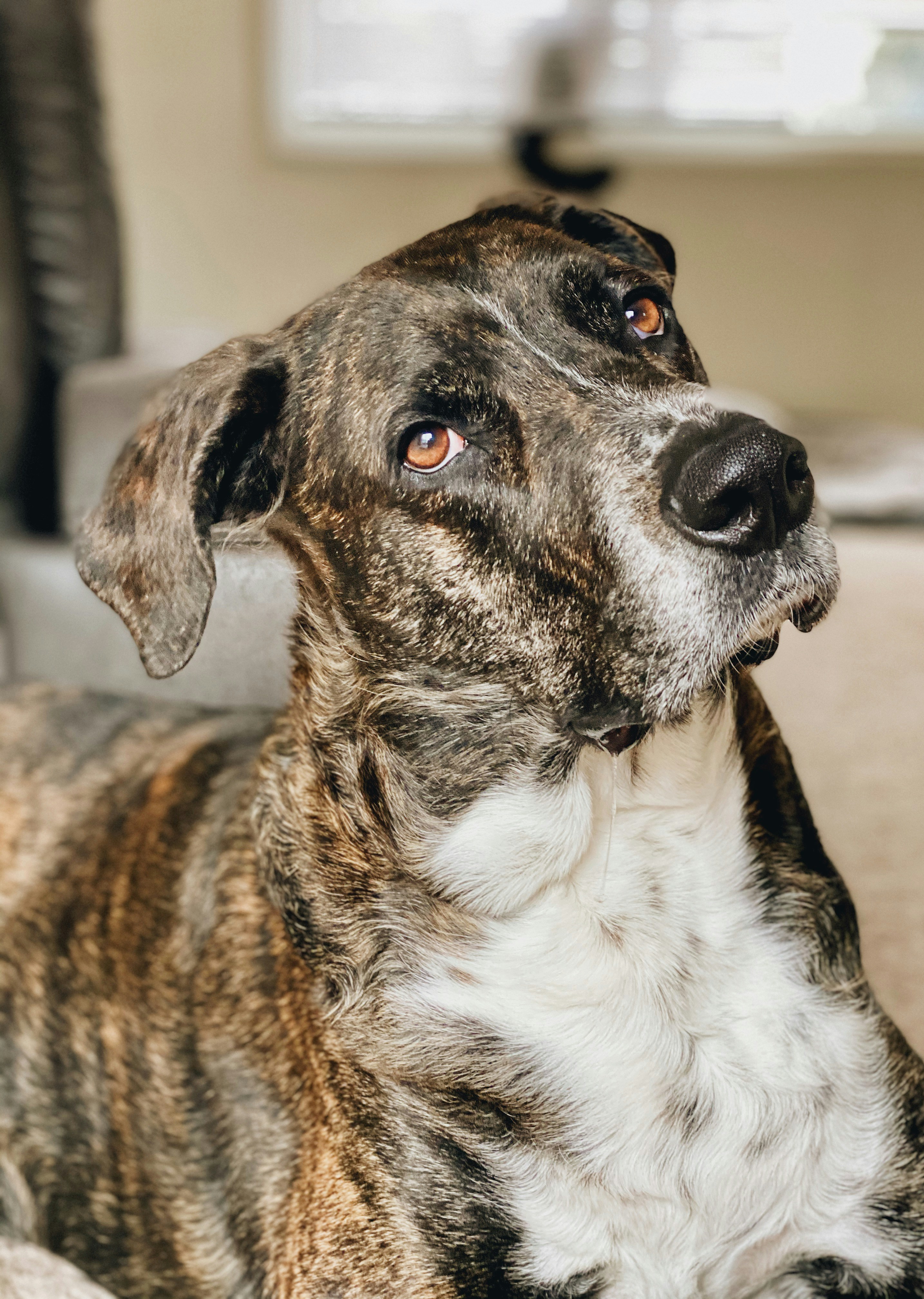
That steady, unblinking gaze your dog fixes on you isn't random — it's one of the most complex and meaningful forms of communication in the animal kingdom. And for senior dogs, it often runs even deeper.
The Gaze That Changed Everything
Dogs are one of the only non-human species that seeks eye contact with humans as a primary form of communication. Wolves — their closest relatives — actually avoid direct eye contact, treating it as a threat. But dogs evolved alongside humans for over 15,000 years, and along the way, something remarkable happened: they learned to read our faces, and we learned to read theirs.
A landmark 2015 study published in Science found that when dogs and their owners make eye contact, both experience a surge of oxytocin — the same bonding hormone released between mothers and newborns. The longer the gaze, the higher the oxytocin. Your dog isn't just looking at you. They're bonding with you, chemically and emotionally.
Researchers at Azabu University in Japan discovered that dogs who gazed at their owners the longest had oxytocin levels spike by up to 130%. And owners who received those long gazes also showed elevated oxytocin — creating a mutual bonding loop that mirrors parent-child attachment.
What Different Stares Actually Mean
Not all dog stares carry the same message. Learning to read the context can tell you a lot about what your dog needs or feels in that moment.
The Soft, Relaxed Gaze
If your dog's eyes are soft — slightly squinted, body relaxed — they're expressing affection and contentment. This is pure love on display. It's especially common after meals, during cuddles, or when you've just come home. In senior dogs, this gaze often deepens with age as the bond grows stronger and they rely on you more.
The Alert, Focused Stare
Hard, wide eyes with a still body usually mean your dog is paying close attention — either to you, to something behind you, or to a sound. They're gathering information. This isn't aggression; it's concentration. Your senior dog may stare this way when they hear a familiar word like "walk" or "dinner."
The Expectant Stare
The classic "you have something I want" look. Usually accompanied by a slight forward lean and maybe a slow tail wag. Your dog has learned — through thousands of small interactions — that eye contact with you gets results. They're not being manipulative. They're communicating the only way they know how.
The Worried or Confused Stare
If your dog stares at you with a furrowed brow and slightly pinned ears, they may be seeking reassurance. Senior dogs experiencing cognitive changes or discomfort sometimes stare in a way that seems directionless or vacant. If this becomes frequent, a vet visit is worthwhile.
Why Senior Dogs Stare More
Many owners notice that as their dog ages, the staring gets more frequent and more intense. There are a few reasons for this. First, older dogs become more dependent on their humans — for food, comfort, mobility help, and emotional security. That gaze is often their way of staying connected. Second, senior dogs may experience some hearing or vision decline, making eye contact their primary channel of communication. And third, some older dogs develop canine cognitive dysfunction, which can cause staring that seems unfocused or confused. If the stare seems "blank" or your dog appears lost, speak with your vet.
If your older dog stares at walls or into empty corners at night, this can be an early sign of canine cognitive dysfunction (CCD). It's worth mentioning to your vet — there are nutritional supplements and lifestyle changes that can help slow cognitive decline.
Should You Stare Back?
Yes — with one important distinction. A gentle, loving gaze returned to your dog strengthens your bond and increases both your oxytocin levels. But avoid a hard, unblinking stare-down, especially with a dog you don't know well. In dog body language, an unwavering stare from a stranger signals a challenge. With your own dog, in a relaxed setting, soft mutual gaze is one of the most beautiful forms of connection available to you.
Try this: the next time your senior dog looks at you softly, hold their gaze gently for a few seconds, then slowly blink. That slow blink is a signal of trust and calm — many dogs will respond by blinking back or breaking the gaze with a relaxed turn of the head.
🐾 Key Takeaways
- Dog staring triggers oxytocin in both dogs and humans — it's a real bonding mechanism
- Soft stares mean affection; hard wide stares mean alertness or concern
- Senior dogs often stare more due to increased dependence and deeper attachment
- Blank or confused staring in older dogs can signal cognitive decline
- Returning a soft gaze strengthens your bond — try the slow blink
A Note on Training and Eye Contact
Teaching your dog to make eye contact on cue — often trained as "watch me" or "look" — is one of the most valuable skills for older dogs. It redirects their attention, improves focus, and deepens communication. Even a senior dog with some hearing loss can respond beautifully to visual cues combined with gentle eye contact.
The stare your dog gives you is a gift — a window into a bond that science is only beginning to fully understand. When your senior dog looks at you with those amber eyes full of quiet devotion, they're saying something profound. Take a moment to say it back.