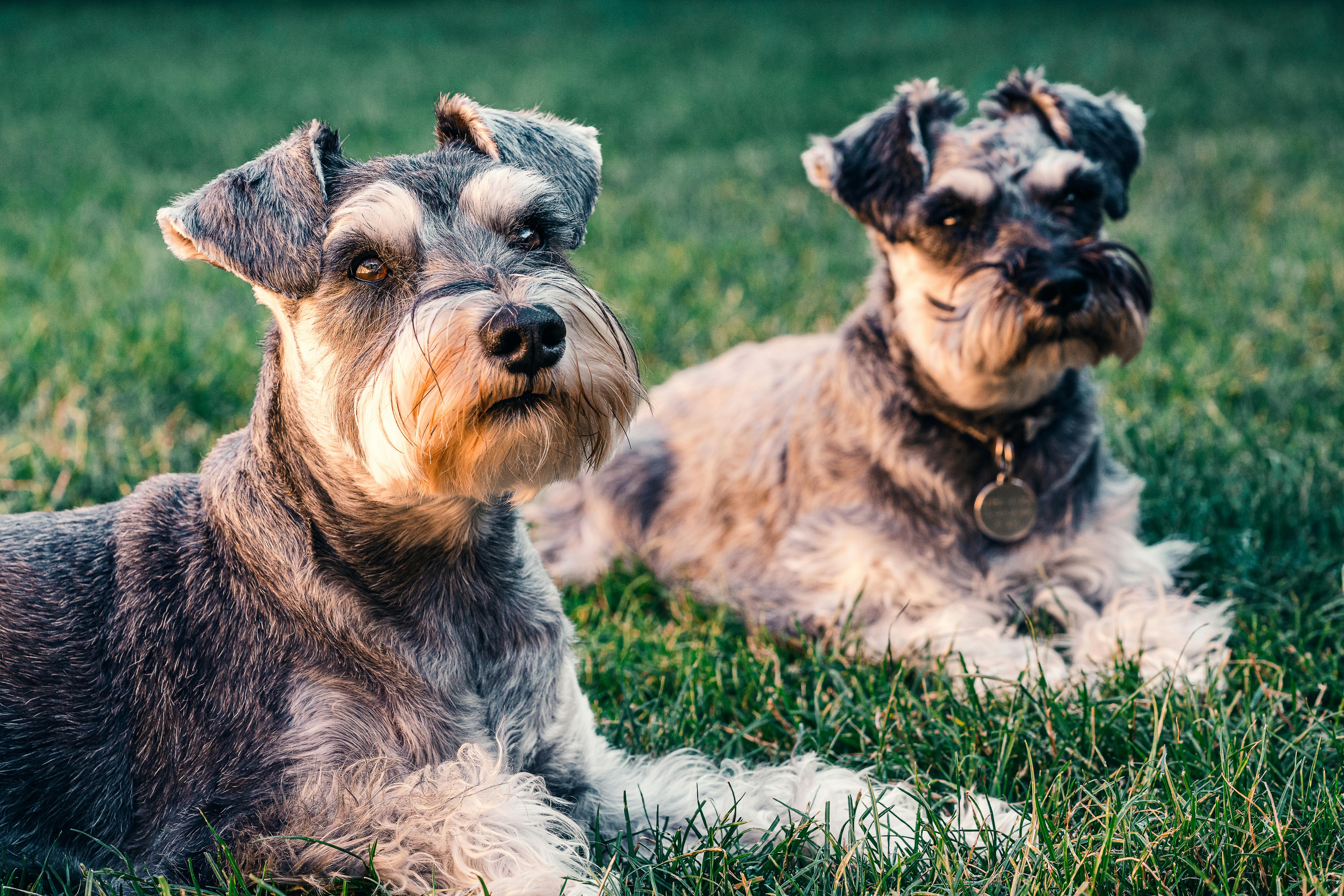
"The Miniature Schnauzer carries the boldness of a much larger dog in a compact, intelligent frame. In their senior years, that same boldness and alertness remains — what changes is the body that needs your thoughtful support to keep thriving."
— Senior Pet Legacy
🧓
The Senior Schnauzer — Still Alert, Always Engaged
The Miniature Schnauzer is one of the most adaptable and intellectually active of all small breeds. Originating as German farm dogs, they bring natural curiosity, alertness, and a terrier's determination to everything they do — including aging. Most Mini Schnauzers enter their senior phase around age 10, though many retain remarkable vitality well into their early teens.
What makes Schnauzer senior care distinctive is a cluster of breed-specific health vulnerabilities — particularly related to diet and metabolism — that require active management. Understanding these risks allows you to prevent most problems before they arise.
🍽️
Pancreatitis & Diet — The #1 Health Priority
Miniature Schnauzers have a genetic predisposition to hyperlipidemia (elevated blood lipids) and pancreatitis — inflammation of the pancreas triggered by high-fat meals. This predisposition intensifies in senior years as metabolism slows. A single high-fat meal — table scraps, fatty treats, rich foods — can trigger a pancreatitis episode that requires urgent veterinary care.
Pancreatitis symptoms include sudden vomiting, abdominal pain (hunching posture), loss of appetite, and lethargy. It is a medical emergency when severe. Prevention through strict dietary management is far preferable to treatment.
🚨
Strictly No High-Fat Foods — Ever
No table scraps. No fatty meats. No cheese or butter. No high-fat treats. This is not optional for Miniature Schnauzers — even a single indulgence can trigger a severe pancreatitis episode. Share this with everyone in your household, including children and guests.
🍖
A low-fat, high-quality senior formula with lean protein and controlled fat content is essential for the aging Schnauzer. Avoid formulas with fat content above 10–12% on a dry matter basis. Feed two measured meals daily and eliminate all fatty extras.
View on Amazon →
🫘
Bladder Stones — A Common Schnauzer Concern
Miniature Schnauzers have the highest incidence of calcium oxalate bladder stones of any dog breed. These mineral deposits form in the bladder and urinary tract, causing discomfort, blood in urine, and in severe cases, dangerous blockages. Senior dogs are at higher risk due to changes in urinary pH and decreased kidney efficiency.
Adequate hydration is the single most effective preventive measure — ensuring your Schnauzer drinks sufficient water daily helps flush mineral buildup before stones can form.
💧
A circulating water fountain encourages dogs to drink more frequently by keeping water fresh and moving. For bladder stone prevention and kidney health in senior Schnauzers, maximizing daily water intake is a simple but powerful intervention. Raised design also reduces neck strain.
View on Amazon →
💧 Hydration Saves Kidneys
Monitor your Schnauzer's water intake daily. Signs of urinary issues include frequent squatting without urination, blood in urine, crying when urinating, or excessive licking of the genital area. Any of these symptoms warrant same-day veterinary attention.
👁️
Eye Care — Cataracts & Progressive Retinal Atrophy
Miniature Schnauzers are genetically predisposed to cataracts and Progressive Retinal Atrophy (PRA) — both of which cause vision loss that typically worsens progressively with age. Cataracts in Schnauzers often appear earlier than in other breeds and can develop rapidly in senior years. PRA has no cure, but early diagnosis allows for environmental adaptations that maintain quality of life.
Annual eye exams by a veterinary ophthalmologist from age 8 onward allow for early detection and appropriate management.
👁️ Signs of Vision Change
Watch for bumping into furniture, hesitation in dim light, cloudiness in the eyes, or reluctance to jump from familiar heights. Dogs adapt remarkably well to gradual vision loss when their environment remains consistent — avoid rearranging furniture for a dog losing vision.
✂️
Grooming — The Wiry Double Coat
The Miniature Schnauzer's distinctive wiry topcoat and soft undercoat requires regular professional grooming to maintain proper texture and hygiene. Senior Schnauzers may develop a softer, thinner coat as they age — a natural change that affects how the coat responds to stripping or clipping. Most owners transition to clipping (rather than hand-stripping) in senior years for comfort and ease.
The iconic beard and eyebrows also require daily attention — food and moisture accumulate in facial hair, creating ideal conditions for skin irritation and bacterial growth around the mouth and eyes.
🧴
A pH-balanced, gentle shampoo formulated for sensitive aging skin keeps your Schnauzer clean without stripping the natural oils that become more important as skin dries with age. Bathe every 4–6 weeks and dry thoroughly, especially in the ear canals and beard area.
View on Amazon →
- Professional grooming every 6–8 weeks for clip or trim
- Brush beard and leg furnishings 2–3x weekly to prevent mats
- Wipe beard after every meal — food accumulation causes skin irritation
- Clean around eyes daily to prevent tear staining and infection
- Trim nails every 3–4 weeks — overgrown nails alter gait and stress joints
- Check and clean ears monthly — Schnauzers can accumulate ear hair and wax
While Miniature Schnauzers are not as prone to hip dysplasia as large breeds, arthritis and general joint stiffness are common after age 10. Their active, energetic nature means joint pain can be particularly hard on their quality of life — a dog that wants to run and play but finds movement painful requires careful management of both pain and activity levels.
💊
Starting joint supplementation before significant damage occurs — around age 8–9 — gives cartilage the building blocks it needs to maintain integrity longer. Look for a formula with added MSM for additional anti-inflammatory support.
View on Amazon →
🛏️
An orthopedic memory foam bed ensures your active Schnauzer recovers properly from daily activity with genuinely supportive sleep. The pressure-relieving foam prevents the morning stiffness that makes older dogs reluctant to move.
View on Amazon →
🧠
Mental Enrichment — Keeping That Schnauzer Mind Engaged
The Miniature Schnauzer's intelligence is one of their greatest assets — and one of their greatest demands. These dogs need mental stimulation as much as physical exercise, and this need does not diminish with age. Boredom in senior Schnauzers often manifests as excessive barking, anxiety, or destructive behavior.
Daily puzzle feeding, scent work, and short training sessions keep the Schnauzer mind engaged and help prevent cognitive decline in their senior years.
🎯
An interactive puzzle toy channels your Schnauzer's problem-solving drive into a satisfying, low-impact activity. Puzzle feeding at mealtimes also slows eating — reducing bloating and digestive stress that Schnauzers are prone to.
View on Amazon →
While not as heart-disease-prone as some small breeds, senior Miniature Schnauzers can develop sick sinus syndrome — an irregular heart rhythm condition that is particularly associated with this breed. Symptoms include episodes of weakness, collapse, or sudden lethargy. Annual cardiac screening catches this early, when it is most treatable.
🐟
Omega-3 supplementation supports heart and cardiovascular health while also addressing the Schnauzer's elevated lipid levels. Choose a formula with a precise EPA/DHA ratio and always use with veterinary guidance — especially if your dog is already on cardiac medications.
View on Amazon →
🩺
Senior Miniature Schnauzer Vet Schedule
- Every 6 months: Full wellness exam, weight, dental assessment, cardiac auscultation
- Annually: Blood panel including lipid profile (triglycerides and cholesterol)
- Annually: Urinalysis and urine culture to screen for bladder stones and UTI
- Annually: Eye exam by veterinary ophthalmologist from age 8
- Annually: Abdominal ultrasound to check for bladder stones after age 10
- Ongoing: Flea, tick, and heartworm prevention year-round
Your Schnauzer's Wisest Years Are Now
That distinctive face, those knowing eyes, that undiminished spirit — your Miniature Schnauzer has given you years of loyalty and intelligence. Now it is your turn to give them the informed, devoted care that makes every remaining year count.
Explore Senior Dog Products →