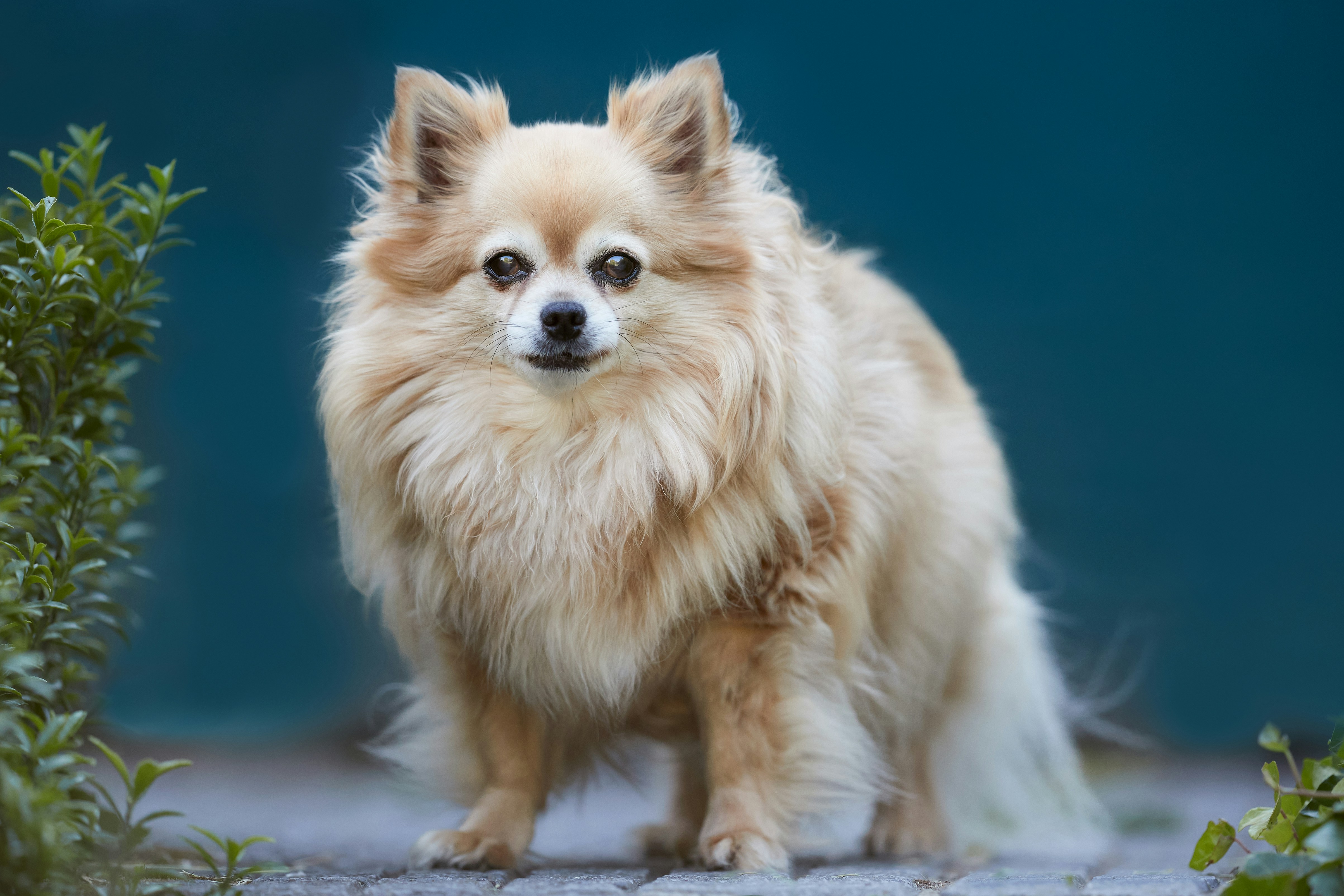
"Pomeranians carry themselves like royalty well into their senior years — but behind that magnificent coat and alert little face is a fragile body that needs thoughtful, attentive care to thrive."
— Senior Pet Legacy
🦊
Your Pomeranian Is Entering Their Senior Chapter
The Pomeranian — affectionately called Lulu in Brazil and much of the world — is one of the most endearing toy breeds ever to grace a family home. Bold, intelligent, deeply loyal, and wrapped in a breathtaking double coat, the Pom lives large in a small body. And while they are among the longer-lived of all dog breeds, their senior years bring specific challenges every owner must understand.
Most Pomeranians begin their senior phase around age 8, though many remain remarkably vibrant and spirited well into their early teens. The key to these joyful later years is not luck — it is knowledge, consistency, and love translated into daily action.
🦷
Dental Health — The #1 Priority for Senior Poms
No other health issue affects senior Pomeranians more consistently than dental disease. Their small mouths and closely spaced teeth create ideal conditions for plaque and tartar buildup, which — if left untreated — causes pain, tooth loss, and bacterial infections that can reach the heart, kidneys, and liver.
By age 8, most Poms without consistent dental care already show signs of moderate to severe periodontal disease. The good news: it is largely preventable with the right daily habits.
🪥
Enzymatic Toothpaste for Dogs
Daily brushing with an enzymatic dog toothpaste is the single most effective thing you can do for your Pom's dental health. The enzymes break down plaque chemically — making it easier to keep those tiny teeth clean and healthy for years to come.
View on Amazon →
- Brush your Pom's teeth daily — or at minimum 3x per week
- Use only dog-formulated toothpaste (human toothpaste is toxic to dogs)
- Offer dental chews as a complement, never a replacement for brushing
- Schedule professional dental cleanings every 12–18 months after age 7
- Watch for bad breath, pawing at the mouth, or difficulty eating — signs of dental pain
🫁
Tracheal Collapse — Understanding the Honking Cough
Tracheal collapse is one of the most common respiratory conditions in toy breeds, and Pomeranians are among the most affected. The trachea (windpipe) is supported by cartilage rings — in many small dogs, these rings weaken with age, causing the airway to partially collapse when breathing. The result is a distinctive "goose honk" cough that can be alarming to hear.
Mild cases are manageable with lifestyle adjustments. Severe cases may require medication or, in some instances, surgery. Your veterinarian is the essential partner here — early diagnosis makes all the difference.
⚠️
Always Use a Harness — Never a Collar
Collars place pressure directly on the trachea and can trigger or worsen collapse episodes. Every walk, every outing — use a properly fitted harness that distributes pressure across the chest instead of the neck.
🐕
Soft Step-In Harness for Toy Breeds
A gentle step-in harness designed for small dogs protects the trachea on every walk. Look for padded chest panels, adjustable straps, and a back-clip design that eliminates neck pressure entirely.
View on Amazon →
💡 Managing Tracheal Collapse at Home
Keep your Pom at a healthy weight — every extra pound increases pressure on the airway. Avoid smoke, dust, and strong chemical odors. Use a cool-mist humidifier in dry months. Keep your dog calm during excitement spikes, as rapid panting can trigger episodes.
❤️
Heart Health in Senior Pomeranians
Pomeranians are prone to patent ductus arteriosus (PDA) and, more commonly in seniors, mitral valve disease (MVD) — a progressive condition affecting the heart's mitral valve that becomes increasingly common in small breeds over age 8. Annual cardiac screenings with your vet are essential from this point forward.
Heart disease in Poms often progresses slowly, giving pet parents years of quality life when managed properly with medication, diet, and reduced physical stress. The earlier it is detected, the more effective treatment becomes.
🐟
Omega-3 Fish Oil for Small Dogs
Omega-3 fatty acids (EPA & DHA) support cardiovascular health in dogs. They also reduce systemic inflammation — benefiting joints, skin, coat, and cognitive function simultaneously. Choose a formula specifically dosed for small dogs.
View on Amazon →
✨
Coat Care — Maintaining That Magnificent Double Coat
The Pomeranian's double coat is both their crowning glory and one of their greatest grooming demands. As they age, the coat may become thinner, drier, or more prone to matting. Black Skin Disease (Alopecia X) — a hormonal condition that causes coat loss — also becomes more relevant in senior Poms, though it is manageable with veterinary guidance.
Daily brushing prevents mats, stimulates skin circulation, and gives you daily hands-on time to detect lumps, skin changes, or pain responses early. Never shave a Pomeranian's coat — doing so can permanently damage the undercoat's ability to regrow properly.
🧴
Gentle Moisturizing Shampoo for Senior Dogs
Aging skin produces fewer natural oils, making it more sensitive and prone to dryness. A gentle, moisturizing shampoo formulated for sensitive dogs keeps your Pom's skin balanced and coat lustrous without stripping essential oils. Bathe every 3–4 weeks.
View on Amazon →
- Brush daily with a soft slicker brush followed by a fine-tooth comb
- Bathe every 3–4 weeks with a moisturizing, pH-balanced dog shampoo
- Check ears weekly for wax buildup — Poms can be prone to ear infections
- Trim nails every 3–4 weeks — overgrown nails alter gait and stress joints
- Wipe around the eyes daily to prevent tear staining and irritation
- Never shave the double coat — it may never fully recover its proper texture
🍽️
Nutrition & Weight Management After Age 8
Pomeranians have a tendency toward hypoglycemia (low blood sugar) if meals are skipped — especially important to monitor in seniors whose metabolism may slow further. Feed two small, consistent meals daily rather than one large meal. Portion control is equally critical: even a quarter-pound of excess weight is proportionally significant on a 5-pound body.
Senior-specific small breed formulas offer adjusted protein, fat, and fiber ratios appropriate for aging metabolism. Look for real meat as the first ingredient, no artificial preservatives, and added joint-supporting nutrients.
🍖
Senior Dog Food — Small Breed Formula
A high-quality small breed senior formula with reduced calories, lean protein, and added joint support supplements makes a measurable difference in your Pom's energy, coat quality, and overall health after age 8.
View on Amazon →
🥗 Healthy Weight Is Non-Negotiable
You should be able to feel your Pom's ribs easily without pressing hard, but not see them. Extra weight directly worsens tracheal collapse, heart disease, and joint stress. Treats should never exceed 10% of daily caloric intake.
🦴
Joint Care & Luxating Patella
Luxating patella — a condition where the kneecap slips out of position — is extremely common in Pomeranians and often worsens with age. You may notice your Pom occasionally holding a hind leg up while walking, then suddenly resuming normal gait. In mild cases this is manageable; in advanced cases it can cause pain and progressive arthritis.
Supporting joint health proactively from age 7 onward — before significant damage occurs — is the most effective long-term strategy.
💊
Glucosamine & Chondroitin for Small Dogs
Glucosamine with chondroitin supports cartilage regeneration and reduces joint inflammation. Choose a small-dog formulation with appropriate dosing — many joint supplements are sized for large breeds and must be carefully adjusted for tiny Poms.
View on Amazon →
🏠
Protect Those Small Joints at Home
Jumping on and off furniture is a major source of joint stress and injury in small senior dogs. Consider ramps or steps for your sofa and bed. Non-slip rugs on hardwood floors prevent slipping, which can cause acute injuries and long-term joint damage in older Poms.
🏠
Pet Ramp for Furniture & Bed Access
A gentle-grade pet ramp lets your senior Pom reach their favorite spots without the joint-damaging impact of jumping. Look for a non-slip surface, low incline, and lightweight design — your Pom will adapt surprisingly quickly.
View on Amazon →
😴
Sleep, Comfort & Rest Quality
Senior Pomeranians sleep more than their younger counterparts — and that sleep needs to be genuinely restorative. A supportive orthopedic bed that cradles their small joints makes a significant difference in how they wake up: stiff and reluctant, or fresh and ready to engage with their family.
Poms also feel cold more easily as they age — especially after bathing or in air-conditioned environments. A warm, draft-free sleeping spot is an essential part of their senior wellness routine.
🛏️
Orthopedic Memory Foam Dog Bed — Small Size
An orthopedic memory foam bed distributes your Pom's weight evenly, relieving pressure from aching joints throughout the night. Look for a bolstered design — the raised edges give senior dogs a sense of security and a comfortable surface to rest their head.
View on Amazon →
🧠
Mental Enrichment & Emotional Health
Pomeranians are intensely intelligent dogs. Boredom doesn't just make them restless — it actively contributes to anxiety and cognitive decline in senior years. Canine Cognitive Dysfunction (CCD), sometimes called "dog dementia," can develop in aging Poms and is characterized by disorientation, sleep disruption, and personality changes.
Short, gentle enrichment sessions — puzzle toys, scent games, calm training exercises — keep neural pathways active and help maintain the sharp, engaged personality your Pom has always had.
🎯
Interactive Puzzle Toy for Small Dogs
An interactive puzzle toy engages your senior Pom's mind without demanding physical exertion. Hide treats inside and let them problem-solve — the mental stimulation is as tiring and satisfying as a walk, and equally important for healthy aging.
View on Amazon →
💛 Your Presence Is the Greatest Enrichment
Pomeranians are bonded dogs. They thrive on closeness. As they age, your physical presence — gentle touch, calm voice, unhurried companionship — matters more than any toy or supplement. Schedule daily quiet time together. It heals more than it seems.
🩺
Senior Pom Veterinary Schedule
Preventive care pays dividends that reactive treatment cannot match. From age 8 onward, your Pom's relationship with their vet should deepen in frequency and comprehensiveness.
- Every 6 months: Full wellness exam including weight, dental assessment, and cardiac auscultation
- Annually: Blood panel (CBC + chemistry), urinalysis, and thyroid function test
- Annually: Chest X-ray to monitor tracheal and cardiac health after age 9
- As needed: Eye pressure tests — Poms are prone to cataracts and dry eye in senior years
- Quarterly: Nail trims and ear checks (or more frequently if needed)
- Ongoing: Flea, tick, and heartworm prevention — year-round without exception
Your Pom's Best Years Are Ahead
With the right care, knowledge, and love — your Pomeranian can live a vibrant, joyful, deeply comfortable senior life well into their teens. You're already doing the most important thing: learning what they need.
Explore Senior Dog Products →