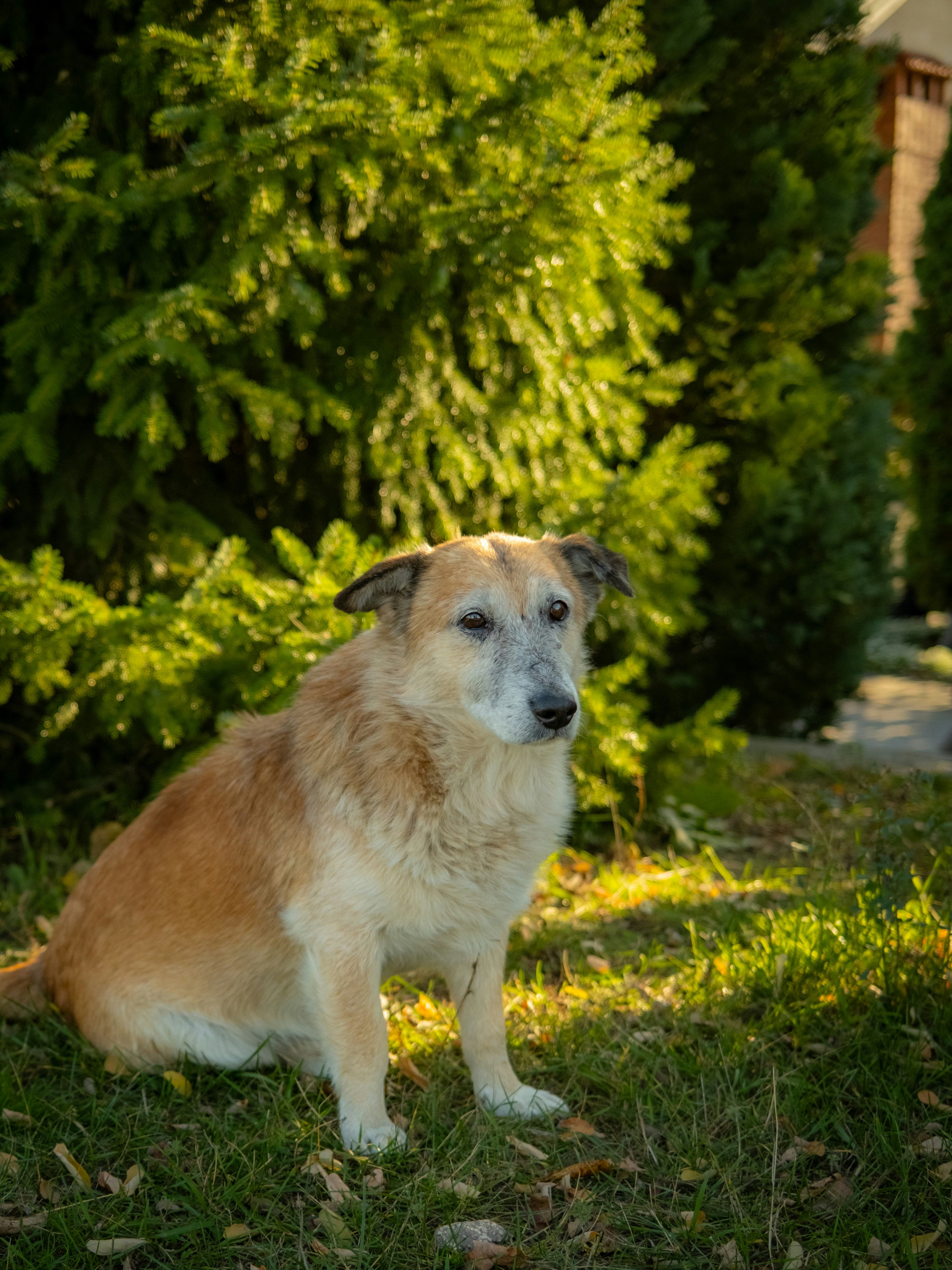
You give your dog a special treat. Instead of eating it, they trot purposefully to the garden, dig a hole, drop it in, and nose the dirt back over it. Then they return inside looking satisfied. This isn't strange behavior — it's ancient, functional, and deeply revealing.
The Evolutionary Origin
The technical term is "caching" — storing food in a hidden location for later consumption. It's widespread across carnivorous species: wolves, foxes, coyotes, and many other predators cache food regularly. For wild dogs and wolves, caching served a critical purpose: after a large kill, they couldn't eat everything immediately. Burying the surplus protected it from scavengers and preserved it for leaner times.
The earth itself acts as a natural refrigerator — cool, dark, and scented with the burier's own smell to help them find it again. The behavior was so consistently adaptive that natural selection reinforced it strongly. Every domesticated dog today carries the caching impulse, even though they're fed twice daily and have no actual food scarcity to prepare for.
Arctic foxes are perhaps the most prolific cachers in the animal kingdom — they store thousands of food items across their territory and have been observed retrieving cached food up to a year later. Dogs share this same underlying behavioral architecture, though their caching is typically less systematic. The impulse is the same: preserve today's surplus for tomorrow's uncertainty.
Why High-Value Items Trigger It More
Dogs cache more often with high-value items — special treats, bones, chews, toys — than with their regular kibble. This mirrors wild caching behavior: you cache the rare, precious resource, not the abundant one. When your dog receives something unusually special, the ancient "preserve this" circuit activates, and burying feels more appropriate than immediate consumption.
When Caching Increases
Dogs in multi-dog households often cache more, particularly if there's resource competition. They're protecting their prize from competitors. Dogs who are fed irregularly or have experienced food insecurity (common in rescues) may also cache more compulsively — the anxiety of past scarcity driving more aggressive preservation behavior.
For senior dogs, an increase in food caching — especially if combined with eating less from the bowl — can occasionally signal dental pain (chewing the treat hurts, so they delay it), nausea, or reduced appetite from illness. If caching is new behavior in an older dog who previously ate treats immediately, mention it to your vet.
Indoor Caching
No garden? No problem — dogs will cache under sofa cushions, in corners of rooms, under pillows, or even behind potted plants. The impulse doesn't require dirt; it just requires a hidden location and the covering action. Some dogs will "fake cache" — going through the motions of burying even on a smooth floor, nosing the carpet as if covering something that isn't there. The behavior is so hardwired that it runs even without the right substrate.
🦴 Key Takeaways
- Food caching is an ancient survival strategy preserved from wild dog and wolf ancestors
- High-value items trigger caching more than regular food — rare resources get preserved
- Multi-dog households and past food insecurity increase caching behavior
- New caching behavior in a senior dog who previously ate treats immediately may signal a health change
- Indoor caching — under cushions, in corners — is the same instinct expressed without dirt