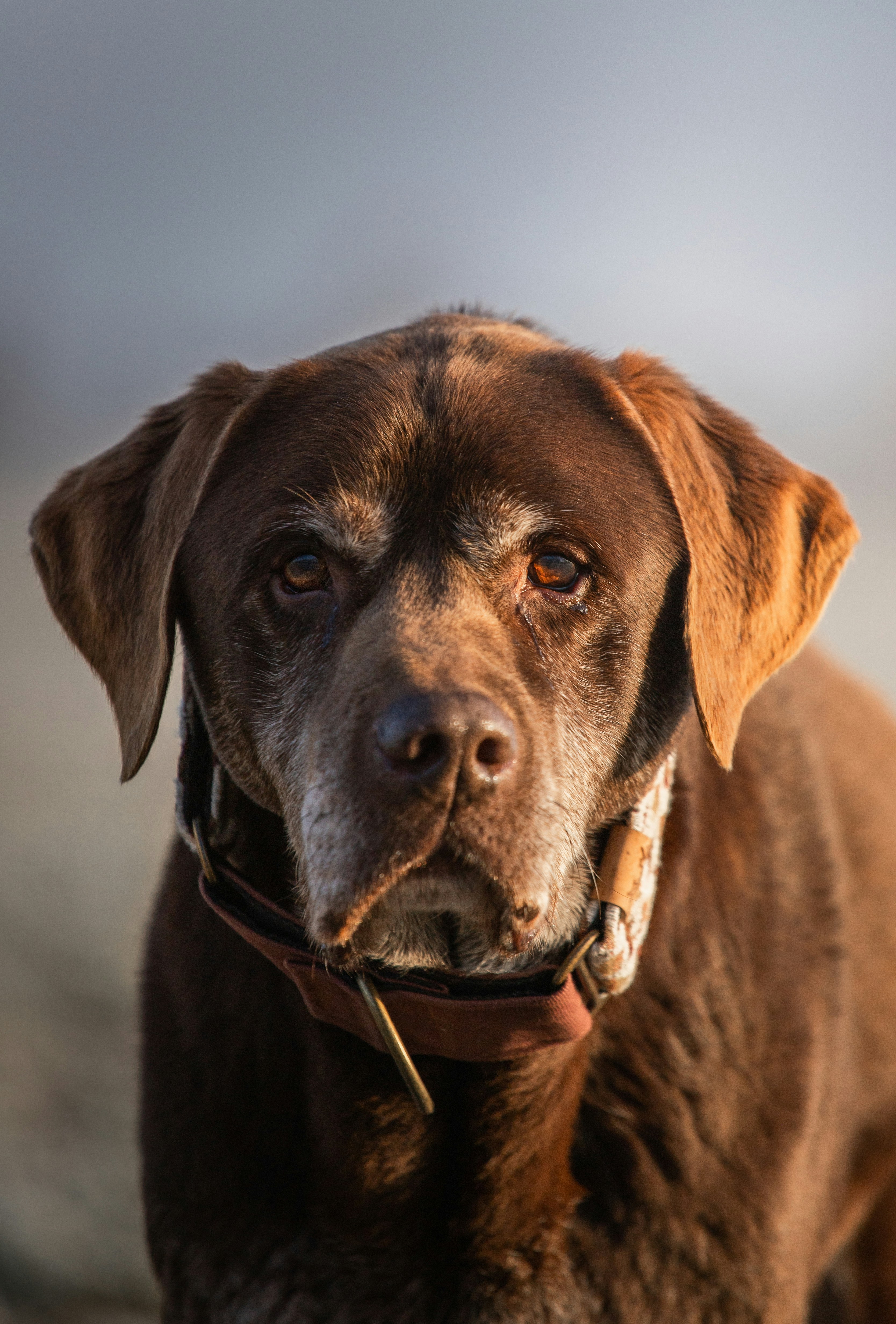
A dog lapping up water enthusiastically is often just a hot, active dog doing exactly what they should. But when drinking becomes notably more frequent — when the bowl empties faster than usual, when your dog is waking in the night to drink — it deserves attention.
How Much Is Normal?
The general guideline is that dogs drink approximately 1 ounce of water per pound of body weight per day. A 50-pound dog should drink roughly 50 ounces — about 1.5 liters. This varies significantly based on activity level, weather, diet (dogs on wet food drink less), and individual metabolism. The key isn't the amount itself but the change from the dog's established baseline.
Innocent Reasons for Increased Drinking
Before assuming something is wrong, consider these common non-medical causes. Exercise and heat are the most obvious — a dog who has been active or is in warm weather will drink more, sometimes dramatically more. A switch to dry kibble from wet food increases water needs significantly. Salty treats or certain medications (like steroids or diuretics) also reliably increase thirst. Puppies and lactating dogs drink more than adult dogs at baseline.
A simple early check for dehydration: gently pinch a small fold of skin on the back of your dog's neck or between the shoulder blades and release. In a well-hydrated dog, the skin springs back immediately. If it stays tented for more than 1-2 seconds, your dog may be dehydrated — and if they're drinking a lot and still dehydrated, that's a significant signal worth investigating urgently.
Medical Causes That Need Attention
The medical term for excessive drinking is polydipsia, and it's almost always accompanied by increased urination (polyuria). The combination of PU/PD (polyuria-polydipsia) is one of the most common concerns in senior dog medicine. Conditions that commonly cause it include:
- Diabetes mellitus — the body can't regulate blood sugar, and excess glucose pulls water with it into urine
- Cushing's disease (hyperadrenocorticism) — excess cortisol increases thirst and urination; common in older dogs
- Kidney disease — damaged kidneys can't concentrate urine, requiring more water intake to compensate
- Liver disease — toxins that healthy livers filter can stimulate thirst centers in the brain
- Pyometra — uterine infection in unspayed females; urgent emergency
- Hypercalcemia — elevated blood calcium from various causes increases thirst
If your senior dog's water intake has increased noticeably over days or weeks — without a clear environmental explanation — schedule a vet appointment. A urinalysis and basic blood panel can identify or rule out most serious causes quickly. Caught early, conditions like diabetes and kidney disease are very manageable.
Keeping Senior Dogs Well Hydrated
Dehydration is a genuine risk for older dogs, especially those with kidney issues. Encourage hydration with: elevated water fountains that reduce neck strain, wet food mixed into dry kibble, fresh water changed twice daily, and water stations in multiple rooms. Never restrict water access in a senior dog — if they're drinking a lot, the answer is always a vet check, not limiting the water.
💧 Key Takeaways
- Dogs need ~1 oz of water per lb of body weight daily as a baseline
- Exercise, heat, dry food, and medications can all increase drinking normally
- PU/PD (excess drinking + urinating) in senior dogs warrants a blood and urine workup
- Diabetes, Cushing's, and kidney disease are the most common medical causes
- Never restrict water access — investigate the cause instead