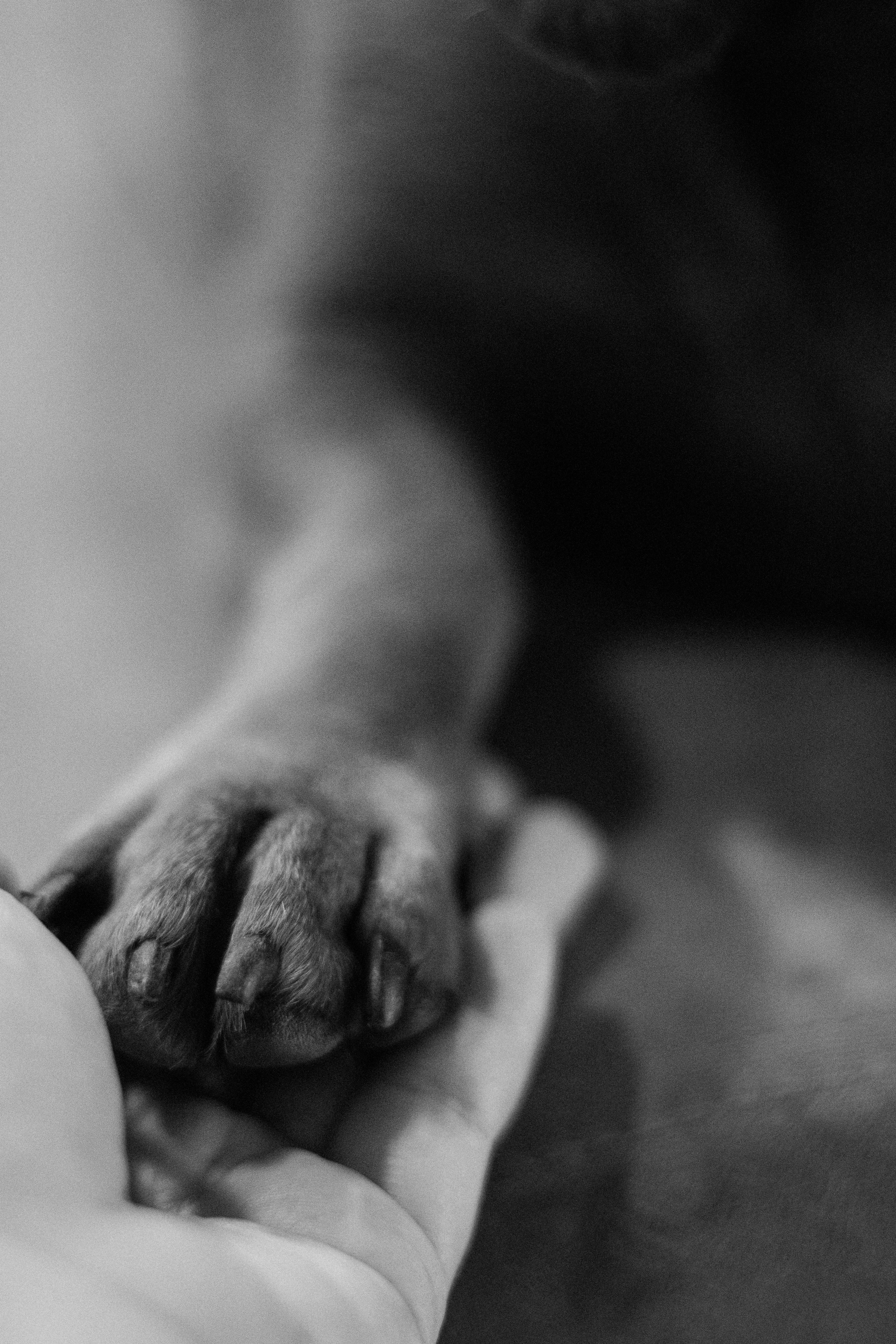
"A dog doesn't care if you're rich or poor, educated or illiterate. Give him your heart and he will give you his."
Choosing the right dog for your family is just the beginning. Here's what life looks like with each breed from puppyhood all the way through their golden years.
Every family dog starts as a bundle of energy — chasing kids around the yard, stealing socks, napping in everyone's lap. But years pass, muzzles go gray, and the dog who once ran laps around your backyard now prefers slow morning walks and a warm spot by the window.
The breed you choose today will shape not just your family's next few years, but the next decade — including how you'll care for them when they age. That's why we took the classic list of best family dog breeds and added what most guides leave out: a real look at what each breed needs in their senior years.
Inspired by the overview published by Bixby Animal Hospital, we've added a Senior Pet Legacy lens to each breed — because loving a dog well means planning for every chapter of their life.
Labs are the ultimate family dog — friendly, patient, endlessly tolerant of children, and easy to train. Their outgoing nature means they adapt well to nearly any household, and their love for play makes them natural companions for kids of all ages.
Labs are prone to obesity as they slow down — weight management becomes critical after age 7. Hip dysplasia and arthritis are very common, so orthopedic beds and joint supplements are often essential. Their love for food doesn't diminish, which makes calorie control a lifelong priority.
Goldens are the definition of devoted — affectionate, intelligent, and endlessly patient. They form deep bonds with every family member and are particularly gentle with young children. Their eagerness to please makes training a joy.
Golden Retrievers have one of the highest cancer rates among all breeds — over 60% are affected. Regular vet screenings after age 8 are crucial. They also develop joint issues and their famous coat requires more attention as they age. Despite this, senior Goldens remain cheerful and loving companions.
Beagles are curious, playful, and irresistibly friendly. Their manageable size and cheerful disposition make them wonderful for active families. They thrive on outdoor adventures and are great companions for energetic kids.
Good news: Beagles are one of the longer-lived medium breeds. Senior Beagles tend to slow down gracefully, though they remain food-motivated (and sneaky about it). Watch for intervertebral disc disease and hypothyroidism, which become more common after age 8. Their nose never really retires.
Bulldogs are calm, docile, and wonderfully affectionate. Their low energy and compact size make them ideal for apartments or homes without yards. They're incredibly loyal and have a natural gentleness around children that is hard to match.
Bulldogs age faster than most breeds and have a shorter lifespan. Their brachycephalic (flat-faced) anatomy causes breathing challenges that worsen with age, especially in heat. Joint issues and skin fold infections are common. They need careful monitoring and a cool, comfortable environment as seniors.
Poodles are brilliant, hypoallergenic, and come in three sizes to fit any family. They're among the most trainable dogs in existence and carry themselves with a joyful alertness that makes them endlessly entertaining. A great choice for families with allergies.
Poodles are one of the best breeds for longevity. Their minds stay sharp well into old age — mental enrichment is key to keeping them happy as seniors. Watch for Addison's disease, hip dysplasia in Standards, and progressive retinal atrophy. Regular grooming remains essential throughout their life.
Boxers are pure joy in a medium-to-large body. Playful, energetic, and fiercely loyal, they make wonderful family guardians who are also gentle and goofy with children. Their protective instinct combined with a clownish personality is a rare and delightful combination.
Boxers are unfortunately prone to cancer — one of the highest rates of any breed. Heart disease (Boxer cardiomyopathy) and hip dysplasia also become concerns in their senior years. Despite this, senior Boxers often retain their playful personality well into old age, which makes their shorter lifespan all the more bittersweet.
Cavaliers are gentle, affectionate, and perfectly sized for apartment living. They love being near their people at all times and adapt easily to different energy levels — equally happy on a long walk or curled up on the sofa. Wonderful with children and other pets.
Mitral valve disease (MVD) affects the vast majority of Cavaliers by age 10 — heart monitoring is not optional, it's essential. Syringomyelia, a painful neurological condition, is also common. Despite these challenges, Cavaliers are remarkably resilient and adapt well to a calm senior lifestyle.
Irish Setters are stunning, energetic, and full of life. Their outgoing, friendly nature makes them wonderful with children and other dogs. They thrive in active families who love the outdoors, and their flowing mahogany coat is genuinely breathtaking.
Irish Setters tend to age gracefully and enjoy a relatively long lifespan. Bloat (GDV) is a serious risk throughout their life and becomes more important to manage as seniors. Hip dysplasia and hypothyroidism also appear more frequently with age. Their energy decreases, but their affectionate nature never fades.
Border Collies are the einsteins of the dog world — brilliant, focused, and capable of learning almost anything. They're great with children in active households and excel at dog sports, games, and training challenges. Best for families who can truly commit to their exercise needs.
Senior Border Collies often struggle more with the loss of mental stimulation than with physical decline. Cognitive dysfunction syndrome (dog dementia) can be a concern. Hip dysplasia and epilepsy are also breed-specific risks. The good news: their long lifespan means many happy years ahead with the right care.
Shih Tzus are affectionate, adaptable, and absolutely devoted lap dogs. Their small size makes them perfect for apartments and their gentle temperament makes them wonderful with children. They don't need much exercise and love nothing more than being close to their people.
Shih Tzus are one of the longest-lived small breeds — some reach 18 years. As seniors they can develop kidney disease, dental disease (very common in small breeds), and brachycephalic breathing issues. Their coat requires consistent grooming throughout life. With good care, a senior Shih Tzu can be an extraordinary long-term companion.
Whatever breed shares your home, the years ahead are an opportunity — to give back the love, patience, and care they've always given you. Senior Pet Legacy is here for every step of that journey.
Senior Dog Nutrition Guide: What to Feed After Age 7
Read article →Best Joint Supplements for Senior Dogs (2026)
Read article →Home Adaptations for Senior Dogs: The Complete Guide
Read article →Signs Your Dog Is Entering Their Senior Years
Read article →