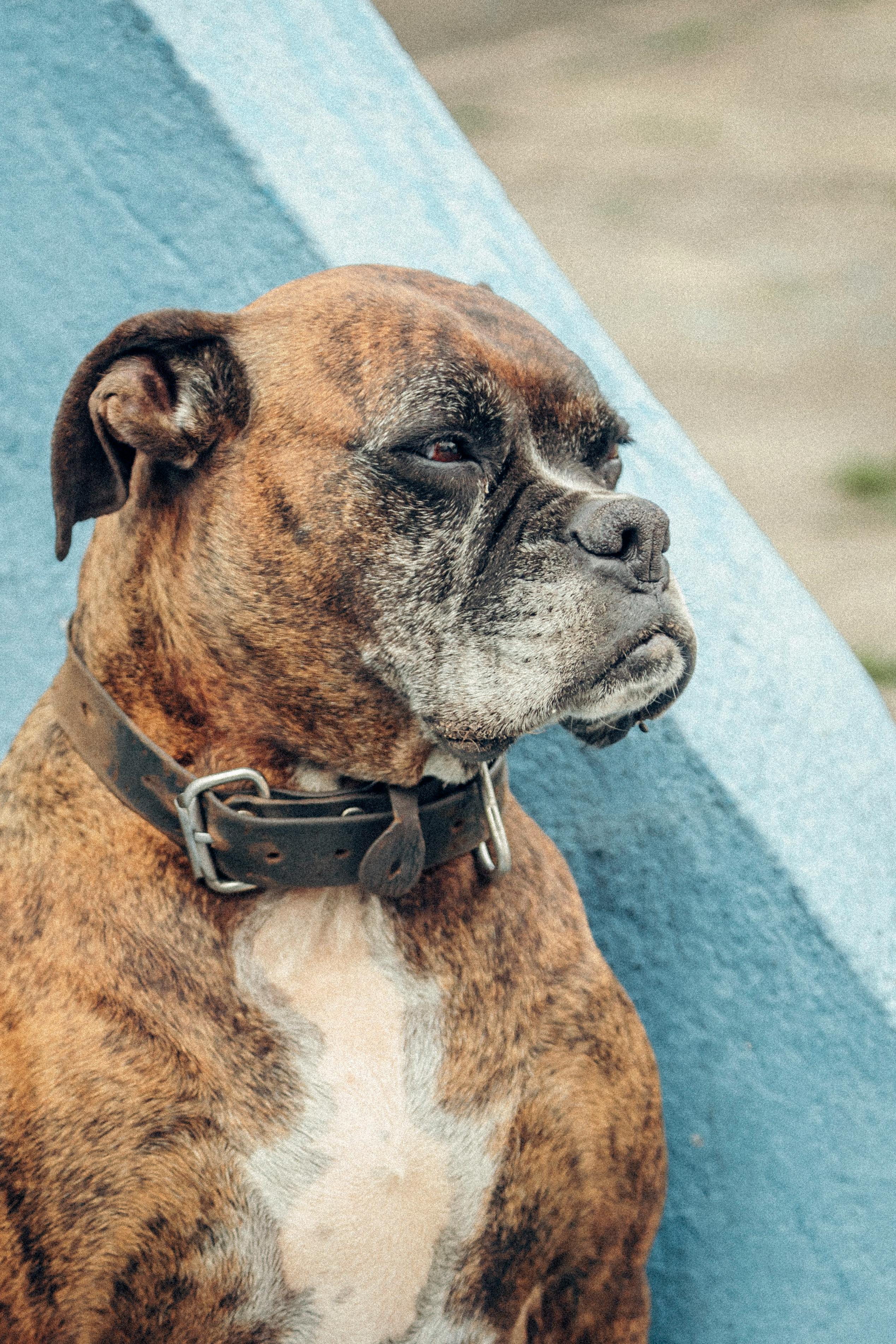
There is something about a Boxer that refuses to accept the concept of aging. At seven, eight, nine years old, they still bounce. They still play. They still greet you at the door with the enthusiasm of a puppy who has never seen you before and cannot believe their luck. The gray on the muzzle arrives gradually, and you find yourself watching for it — that first silver hair, the sign that time is passing for this dog who seems so determined to outrun it.
Boxers are among the most beloved family breeds in the world — playful, protective, deeply affectionate, and endlessly entertaining. But they are also a breed with a sobering set of health vulnerabilities that make the senior years both precious and demanding. Understanding what Boxers face as they age, and preparing for it thoughtfully, is the most important thing you can do for a dog who has given you everything.
"Boxers are considered seniors around age 7 — earlier than their exuberant personalities would suggest. Their predisposition to heart disease, cancer, and neurological conditions means that proactive veterinary care and attentive home monitoring become essential from this point forward."
Heart Disease: The Condition Every Boxer Owner Must Know
Arrhythmogenic right ventricular cardiomyopathy — known as Boxer cardiomyopathy, or ARVC — is a genetic heart condition unique to the breed. It causes abnormal electrical activity in the heart muscle, leading to irregular heartbeats that can range from harmless to life-threatening. A Boxer can live with ARVC for years without obvious symptoms — and then collapse without warning during exercise or excitement.
This is not a condition to monitor casually. Every senior Boxer deserves a cardiac evaluation that includes an ECG and, ideally, a 24-hour Holter monitor — a wearable device that records the heart's electrical activity over a full day to detect intermittent arrhythmias that a standard exam might miss. If your Boxer has ever fainted, stumbled without apparent reason, or shown sudden weakness during activity, bring this to your vet's attention immediately.
Dilated cardiomyopathy — a different form of heart disease where the heart muscle weakens and enlarges — is also seen in Boxers. Watch for a new cough (especially at night), faster breathing at rest, reduced stamina, or a suddenly distended abdomen. These are cardiac red flags in a senior Boxer.
Supporting heart health nutritionally with omega-3 fatty acids from fish oil is one of the most evidence-backed interventions available at home. Omega-3s reduce systemic inflammation, support healthy cardiac muscle function, and have been shown to slow the progression of cardiomyopathy-related changes in dogs.
Fish Oil Omega-3 for Dogs
Supports cardiac muscle health and reduces systemic inflammation — one of the most important daily supplements for a senior Boxer with heart disease risk.
⚠️ If your senior Boxer faints, collapses, or shows sudden weakness during or after exercise — even briefly — treat it as an emergency. Boxer cardiomyopathy can cause sudden cardiac events with little warning. Contact your vet or emergency clinic immediately.
Cancer: Knowing the Signs in a High-Risk Breed
Boxers have one of the highest rates of cancer of any dog breed. Mast cell tumors, brain tumors, lymphoma, and hemangiosarcoma are all seen with concerning frequency — and they can develop and progress quickly. The earlier they are detected, the more options exist for treatment and quality-of-life management.
Every senior Boxer owner should develop the habit of a weekly hands-on body check. Run your hands along your dog's entire body — neck, armpits, chest, abdomen, groin, and limbs — feeling for any new lumps, bumps, or changes in existing ones. Note any that appear, and bring them to your vet's attention promptly. Not every lump is cancer, but every lump deserves evaluation. In Boxers, the assumption should always be to check rather than wait.
Other warning signs to watch for: unexplained weight loss, changes in appetite, sudden behavioral changes, seizures, difficulty breathing, or pale gums. Any of these in a senior Boxer warrants a veterinary visit — not a wait-and-see approach.
Joint Health in a Large, Active Body
Boxers are athletic, muscular dogs who have spent their lives moving with enthusiasm. By the time they reach senior age, that enthusiasm has taken a toll on their joints — particularly the hips, shoulders, and elbows. Hip dysplasia is common in the breed, and arthritis follows naturally from years of high-energy activity and a body built for power rather than longevity of joint tissue.
A senior Boxer who hesitates before jumping, rises slowly from rest, or lags behind on walks that used to be effortless is almost certainly dealing with joint pain. The good news is that joint support supplements have a well-established track record in dogs — and starting them early, before symptoms become severe, produces the best outcomes.
Glucosamine for Dogs — Joint Support Supplement
Supports cartilage health and reduces joint stiffness — essential for a large, active breed like the Boxer whose joints absorb significant impact over a lifetime.
Collagen Supplement for Dogs
Supports the connective tissue, ligaments, and tendons around aging joints — particularly valuable for large, muscular breeds with high joint stress histories.
For a Boxer with significant mobility challenges, a support harness allows you to assist them on stairs or up from a lying position without straining their spine or neck — and without putting your own back at risk trying to lift a 60-pound dog.
Support Harness for Senior Dogs
Provides gentle lift assistance for large senior dogs with mobility challenges — protecting both your Boxer and your own back during daily movement.
Degenerative Myelopathy: When the Legs Begin to Fail
Degenerative myelopathy is a progressive neurological disease that affects the spinal cord, causing gradual loss of coordination and strength in the rear legs. Boxers are among the breeds with elevated genetic risk. It typically begins subtly — a slight wobble in the rear end, occasional stumbling, difficulty on stairs — and progresses over months to years toward complete hind-limb paralysis.
There is currently no cure for degenerative myelopathy, but physical therapy, supportive care, and mobility aids can significantly extend quality of life and slow functional decline. If you notice your senior Boxer's rear legs becoming uncoordinated, crossing over each other, or dragging slightly, bring this to your vet's attention for evaluation. Early identification matters.
A dog ramp becomes essential for a Boxer with rear-leg weakness — eliminating the jumping that puts them at risk of injury when their coordination is compromised.
Dog Ramp for Cars & Furniture
Protects a senior Boxer with joint or neurological challenges from the impact and instability of jumping — essential as rear-leg strength declines.
A Bed That Matches Their Size and Their Need
A senior Boxer is a large dog — typically 55 to 70 pounds — and that weight on an inadequate sleeping surface creates significant pressure on arthritic hips, shoulders, and elbows through every hour of rest. Boxers sleep a great deal as they age, and the quality of that rest directly affects how they feel and move during their waking hours.
An orthopedic memory foam dog bed sized for large breeds provides the deep, even support a senior Boxer needs — distributing body weight across the entire surface, eliminating pressure points, and allowing the joints to fully decompress during sleep. Many owners report that their senior Boxer rises noticeably more easily in the mornings after transitioning to a proper orthopedic surface.
Orthopedic Memory Foam Dog Bed
Thick, supportive foam built for large breeds — reducing joint pressure, easing arthritis discomfort, and helping your senior Boxer wake up feeling genuinely better.
Making the Home Safe for an Aging Boxer
A senior Boxer with weakening rear legs or arthritic hips is genuinely at risk on slippery floors. Their size means a fall carries real consequences — and a dog who has slipped badly once often becomes reluctant to move freely through the home, which accelerates muscle loss and isolation. Non-slip mats along their regular routes address both the safety hazard and the confidence deficit that comes with it.
Non-Slip Rug Mats
Creates safe, confident footing throughout your home — preventing the falls that can injure a large senior Boxer and erode their willingness to move freely.
Rug Grip Tape
Keeps rugs firmly in place so they don't slide or bunch under a large dog's weight — a simple fix that prevents serious falls.
A pet camera is particularly valuable for senior Boxer owners — allowing you to monitor breathing patterns, activity levels, and any signs of cardiac or neurological episodes while your dog is home alone.
Pet Camera with Two-Way Audio
Monitor your senior Boxer's behavior and breathing while you're away — essential peace of mind for owners of a breed with cardiac and neurological risks.
Nutrition for a Senior Boxer
A senior Boxer's nutritional needs shift meaningfully from their athletic prime. Their metabolism slows, their muscle mass decreases without the activity that once maintained it, and their digestive efficiency changes. A senior-specific dog food formula provides lower calories to prevent weight gain, higher lean protein to preserve the muscle mass that supports their joints and mobility, and added nutrients that support heart and immune function.
Weight management is especially important in senior Boxers — excess weight places additional strain on arthritic joints, increases cardiac workload, and reduces overall stamina. Keep your senior Boxer lean, and you extend both the length and quality of their senior years.
Senior Dog Food — Age-Appropriate Nutrition
Specially formulated for older dogs — balanced calories, lean protein, and key nutrients to support your senior Boxer's heart, joints, and overall vitality.
Fresh water access is equally important — keep a pet water fountain available so hydration is always effortless, supporting kidney function and overall organ health through the senior years.
Pet Water Fountain — Fresh, Filtered Water All Day
Encourages consistent hydration — supporting kidney health and overall organ function in your aging Boxer throughout the day.
Mental Stimulation for a Brain That Still Wants to Play
Boxers are intelligent, curious, and deeply engaged with their environment — and that doesn't change with age. A senior Boxer whose physical activity is limited by joint pain or cardiac restrictions still needs mental outlets. Without them, boredom and anxiety can develop, leading to restless behavior, excessive vocalization, or destructive habits that have nothing to do with stubbornness and everything to do with unmet cognitive needs.
Puzzle toys designed for larger breeds provide exactly the kind of low-impact, high-engagement mental exercise a senior Boxer thrives on — rewarding their intelligence, providing satisfaction, and keeping their brain active without taxing their heart or joints.
Dog Puzzle Toy — Mental Enrichment
Keeps your senior Boxer's sharp mind active and engaged — the perfect low-impact outlet for a dog whose spirit still outruns their body.
Natural Support: What Many Boxer Owners Are Exploring
Hemp-derived CBD has become one of the most discussed natural wellness tools for senior dogs — and Boxer owners are among those exploring it most actively, given the breed's predisposition to chronic pain, anxiety, and the discomfort associated with joint disease and neurological changes. As a natural anti-inflammatory and calming agent, hemp oil is being used by many owners as a complement to their senior Boxer's broader wellness routine.
If you're considering whether hemp oil might support your senior Boxer's comfort and quality of life, we've written a comprehensive, honest guide covering how it works, what to look for in a quality product, and what every pet parent should understand before starting. It's one of the most-read resources on this site.
Hemp Oil for Senior Dogs: What Pet Parents Should Know
A complete, honest guide to hemp oil for aging dogs — what it is, how it works, what to look for, and how it may support your senior Boxer's comfort and daily quality of life.
"A senior Boxer still has that spark — the one that made you fall in love with them in the first place. The bounce may be slower, the muzzle silver, the naps longer. But the love? That has never changed for a single day. These years are your chance to make sure they feel it."
Boxers are remarkable dogs. They age with a grace that belies their clownish youth — quieter, more settled, more openly affectionate than ever. The health challenges they face are real and require vigilance. But they are not insurmountable for an owner who is paying attention.
Every supplement, every cardiac check, every non-slip mat and orthopedic bed — they add up to a senior Boxer who lives longer, moves with less pain, and faces their golden years with the same quiet confidence they've always had. That is what they deserve.