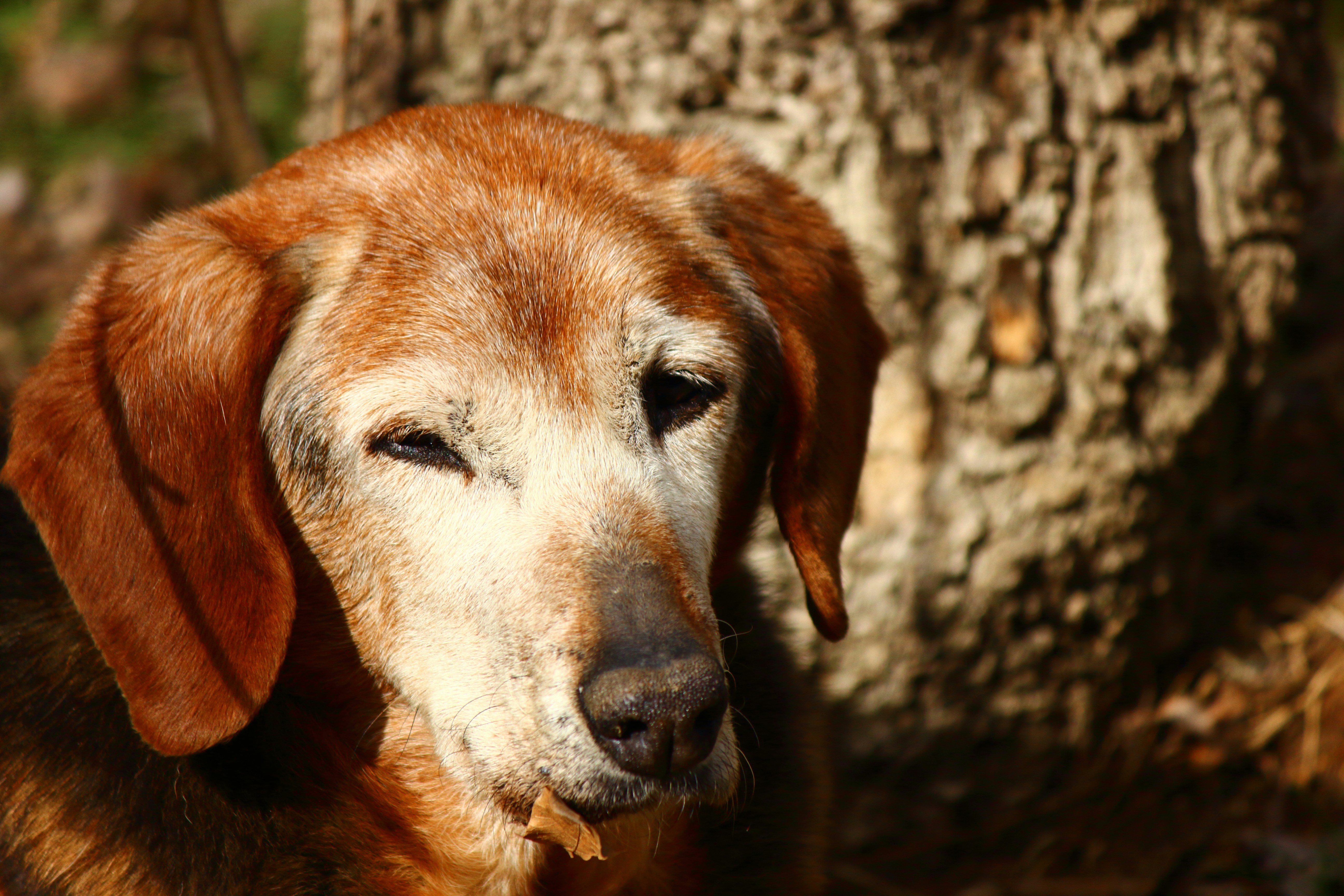
Your dog seems to spend more time asleep than awake — and as they age, the naps get longer and more frequent. This is mostly beautiful and normal. But knowing the line between healthy rest and something that needs attention can make all the difference.
How Much Do Dogs Actually Sleep?
The short answer is: a lot more than us. Adult dogs sleep an average of 12–14 hours per day. Large breeds tend to sleep more. Working breeds and highly active dogs may sleep less. And senior dogs — particularly those over 7–8 years — routinely sleep 14–18 hours per day, with some occasionally reaching 20 hours in their final years.
This isn't laziness or illness. It's biology. Dogs have a fundamentally different sleep architecture than humans — they cycle through sleep stages faster and shift in and out of light sleep far more readily. They're designed to rest deeply, recover quickly, and be alert when needed.
| Life Stage | Average Daily Sleep | Status |
|---|---|---|
| Puppies (under 1 yr) | 18–20 hours | Normal |
| Adult dogs (1–7 yrs) | 12–14 hours | Normal |
| Senior dogs (7–10 yrs) | 14–16 hours | Normal |
| Elderly dogs (10+ yrs) | 16–20 hours | Usually Normal |
| Any dog: sudden increase | +3–4 hrs over baseline | Monitor / Vet |
Why Dogs Need So Much Sleep
Sleep Is How They Process and Recover
Just like humans, dogs consolidate learning and memory during sleep. When your dog learns something new on a walk, practices a skill, or has an emotionally rich experience, sleep is when the brain processes and stores that information. Studies on dogs in training show that those who get adequate rest after sessions retain commands significantly better than those who don't. Sleep is not downtime — it's active cognitive work.
Their Bodies Are Built for Burst Activity
Dogs evolved as predators built for short bursts of intense activity — chasing, wrestling, hunting — followed by long rest. Unlike humans, who are built for sustained activity across a day, dogs are physiologically designed to expend high energy in short windows and then recover deeply. Even in a domestic life with no hunting required, that rest-activity cycle is still their default setting.
Dogs cycle through sleep stages — including REM (dreaming) sleep — about every 20–45 minutes, compared to the 90-minute human cycle. This faster cycling means they enter and exit deep sleep more often throughout the day. It also means they can be more alert more quickly after waking — a feature designed for survival, now expressed as enthusiastic greetings when you walk through the door.
Why Senior Dogs Sleep Even More
As dogs age, several factors converge to increase sleep needs. First, their bodies work harder to manage joints, immune function, and organ health — rest is essential for cellular repair. Second, mild pain or discomfort (from arthritis, for example) reduces the energy available for activity, making rest more appealing. Third, cognitive changes can disrupt nighttime sleep quality, leading to more daytime napping to compensate. And fourth, the simple fact of age — their metabolic rate slows, energy reserves drop, and their body genuinely needs more recovery time between activities.
This is not a sign that your dog is giving up. It's a sign that their body is wisely conserving resources to sustain quality of life. Respect the rest. Create a comfortable, draft-free sleeping area. Invest in good joint support. And cherish the quiet moments you share while they doze.
When Extra Sleep IS a Warning Sign
More sleep is usually normal — but a sudden, significant increase in sleep (especially if accompanied by other changes) can signal something medical. The key word is "sudden." If your dog who normally napped 14 hours suddenly seems to sleep 20 hours and is difficult to rouse, reluctant to eat, or moving stiffly, don't wait. Common medical causes of excessive sleep in senior dogs include:
- Hypothyroidism — underactive thyroid causes profound lethargy, weight gain, and cold intolerance
- Diabetes — blood sugar dysregulation causes fatigue and increased thirst
- Anemia — reduced red blood cell count causes weakness and excessive tiredness
- Unmanaged pain — arthritis or internal pain increases rest to compensate
- Canine Cognitive Dysfunction — disrupted sleep-wake cycles, night waking, daytime oversleep
- Infection or illness — immune response triggers rest for recovery
A sudden increase in sleep + any of the following: difficulty rousing, refusing food, pale gums, excessive thirst, unusual stumbling, confusion or disorientation, or rapid weight change. These combinations in a senior dog deserve same-day attention.
How to Support Healthy Sleep in Senior Dogs
Create a consistent, comfortable sleep environment. A quality orthopedic bed that cushions joints makes a meaningful difference — dogs with arthritis sleep more restfully when their pressure points are supported. Keep sleeping areas warm but not hot, quiet, and away from heavy foot traffic. Maintain a regular daily rhythm of activity and rest — even gentle consistency helps senior dogs' circadian regulation.
And if your dog wakes at night and seems confused or distressed, note the pattern. Night-time restlessness paired with daytime oversleep in an older dog is one of the most common early presentations of canine cognitive dysfunction — and there are real management options worth discussing with your vet.
💤 Key Takeaways
- Adult dogs sleep 12–14 hours/day; senior dogs often sleep 14–18 hours — usually normal
- Sleep is active brain work: memory consolidation, recovery, and immune function
- Aging bodies require more rest — this is biology, not decline
- A sudden change in sleep amount combined with other symptoms warrants a vet visit
- Orthopedic beds, consistent routines, and warm sleeping spots support senior sleep quality
Watch your senior dog sleep sometime — really watch. The slight twitches, the long sighs, the deep and trusting stillness. There is something irreplaceable in that image. They are resting because they are safe, because they are cared for, because the life you've given them is one where they don't need to be on guard. That is a gift you've given them every single day.