1. Eye Conditions — A Breed-Specific Priority
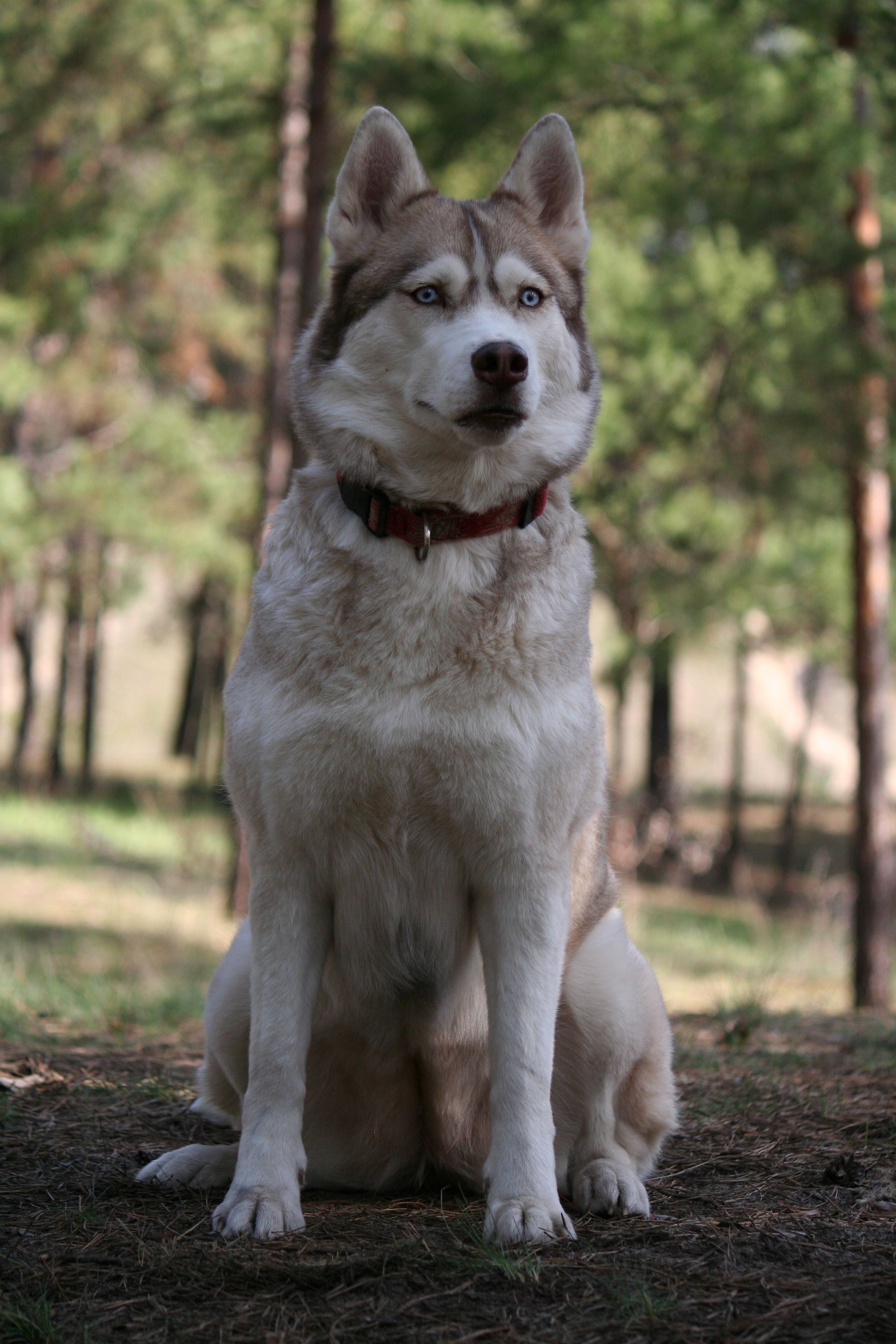
The Siberian Husky has the highest rate of hereditary eye disease of almost any breed. Multiple conditions affect the breed at significantly elevated frequencies: Progressive Retinal Atrophy (PRA) causes gradual vision loss leading to blindness; hereditary or juvenile cataracts can appear even in young Huskies and worsen with age; corneal dystrophy — a buildup of lipid or mineral deposits in the cornea — is another Husky-specific condition; and glaucoma risk is elevated in older individuals.
Annual ophthalmic exams by a board-certified veterinary ophthalmologist are strongly recommended for all Huskies throughout their lives. Vision changes in a senior Husky should never be assumed to be just "normal aging" without examination — many conditions are treatable when caught early.
Helps vision-impaired seniors navigate safely in low light — essential for Huskies developing PRA or cataracts that worsen in the dark.
View on Amazon →Husky Eye Warning Signs
- Hesitation in low light or at night — bumping into furniture
- Cloudiness, milkiness, or visible opacity in the eye
- Squinting, pawing at eyes, or excessive tearing
- Redness, swelling, or a visibly enlarged eyeball (glaucoma)
- Reduced responsiveness to visual cues in familiar environments
2. Hip Dysplasia & Arthritis
While Huskies are generally leaner and more athletic than many breeds, hip dysplasia is still a significant concern — especially in dogs who spent years running and working at high intensity. Senior Huskies may show reluctance to jump, stiffness after rest, a subtle change in gait, or less enthusiasm for the exercise they once lived for.
Maintaining a lean body weight, continuing appropriate low-impact exercise, and using joint support supplements from the early senior years helps preserve mobility significantly.
Supports cartilage repair and reduces joint inflammation — a daily essential for the active senior Husky managing hip dysplasia and arthritis.
View on Amazon →Cushions pressure points from hips and elbows — a well-rested Husky recovers better and experiences less morning stiffness.
View on Amazon →Reduces systemic inflammation driving arthritis and benefits the Husky's thick double coat — a dual-purpose daily supplement for senior health.
View on Amazon →3. Hypothyroidism
Hypothyroidism is moderately common in senior Huskies and can be easily missed because its symptoms — weight gain, lethargy, coat changes, and reduced energy — can resemble normal aging in a dog slowing down. An underactive thyroid affects metabolism and nearly every body system. Annual thyroid panels are a worthwhile routine for Huskies from age 7 onward. With medication, most dogs improve dramatically.
A calorie-controlled senior diet supports weight management in hypothyroid or less-active senior Huskies while meeting their nutritional needs.
View on Amazon →4. Coat & Skin Care in Senior Years
The Husky's magnificent double coat — built to insulate against Arctic temperatures — requires consistent care throughout life, but the senior years bring specific challenges. Hormonal changes from hypothyroidism or aging can cause the coat to thin, lose luster, or develop patchy areas. The skin underneath becomes drier and more sensitive, and some seniors develop follicular dysplasia.
Regular brushing is essential — both to manage the heavy shedding seasons and to check the skin beneath for any changes. Use a gentle moisturizing shampoo appropriate for sensitive senior skin, and never shave a Husky's coat, even in warm climates — it disrupts the natural insulation system of the double coat.
Moisturizes the sensitive, aging skin beneath the Husky's double coat without stripping natural oils. Ideal for seniors with dry or hormonally affected skin.
View on Amazon →5. Heat Sensitivity
The Siberian Husky was engineered for temperatures of -50°F — and their thick double coat, while magnificent, makes them vulnerable to heat in their senior years. An older Husky with reduced cardiovascular efficiency overheats more quickly and recovers more slowly. Even in moderate climates, extra caution is needed during warmer months.
Walk only in the early morning or evening during warm weather. Ensure constant access to fresh water and a cool environment. Watch for heavy, labored panting, stumbling, glassy eyes, or drooling — these require immediate cooling and veterinary attention.
Encourages consistent hydration — especially important for a heat-sensitive senior Husky and for general kidney and urinary health.
View on Amazon →6. Escape Risk & Safety
Huskies are legendary escape artists — and a senior Husky is still a Husky. Vision or hearing impairment combined with their natural independence can make escapes more dangerous than ever. A dog who can't see or hear well may not be able to avoid traffic or orient back home. Secure fencing, leash discipline, and ID tags remain essential through the senior years.
Monitor your senior Husky's activity and potential escape behavior remotely. Two-way audio also provides calming vocal reassurance when anxiety rises.
View on Amazon →7. Mental Stimulation & Exercise
Reducing a Husky's activity level without replacing it with mental enrichment leads rapidly to anxiety, destructiveness, and behavioral problems — even in senior dogs. The working-dog spirit doesn't retire, even when the body does. Scent work, gentle puzzle activities, shorter but more frequent leash walks, and structured routines replace physical mileage with meaningful engagement.
Channels the Husky's intelligent, problem-solving drive into calm mental activity — essential for reducing anxiety and supporting cognitive health in seniors.
View on Amazon →8. Mobility & Home Safety
Provides secure footing for a senior Husky with arthritis or vision impairment navigating hard floors — preventing slips and falls.
View on Amazon →Keeps rugs firmly anchored for safe footing — important for an aging Husky managing joint stiffness or coordination changes.
View on Amazon →Reduces joint stress on every car trip — a helpful addition for a senior Husky with hip dysplasia who loves going on adventures.
View on Amazon →Supports connective tissue and joint integrity throughout the body — valuable for the active senior Husky's aging joints and overall mobility.
View on Amazon →Supports joint comfort and anxiety reduction in the energetic, independent senior Husky. Easy to add to food as a daily supplement.
View on Amazon →Treat-format daily support for joint and anxiety management — a convenient option for the treat-motivated senior Husky.
View on Amazon →Senior Vet Checklist for Siberian Huskies
- Annual ophthalmic exam — PRA, cataracts, corneal dystrophy, and glaucoma screening
- Thyroid panel annually from age 7 — hypothyroidism screening
- Hip assessment — X-rays to monitor dysplasia progression
- Full bloodwork every 6–12 months from age 8
- Body condition scoring at every visit — weight management support
- Cardiac auscultation — while less common than in other breeds, heart disease can develop
The Spirit of the Trail Never Fades 🐾
A senior Husky may no longer run the Iditarod — but those piercing eyes still carry the spirit of a thousand miles. Give them the comfort, the stimulation, and the security that spirit deserves, and they'll be your steadfast companion for every mile left to go.