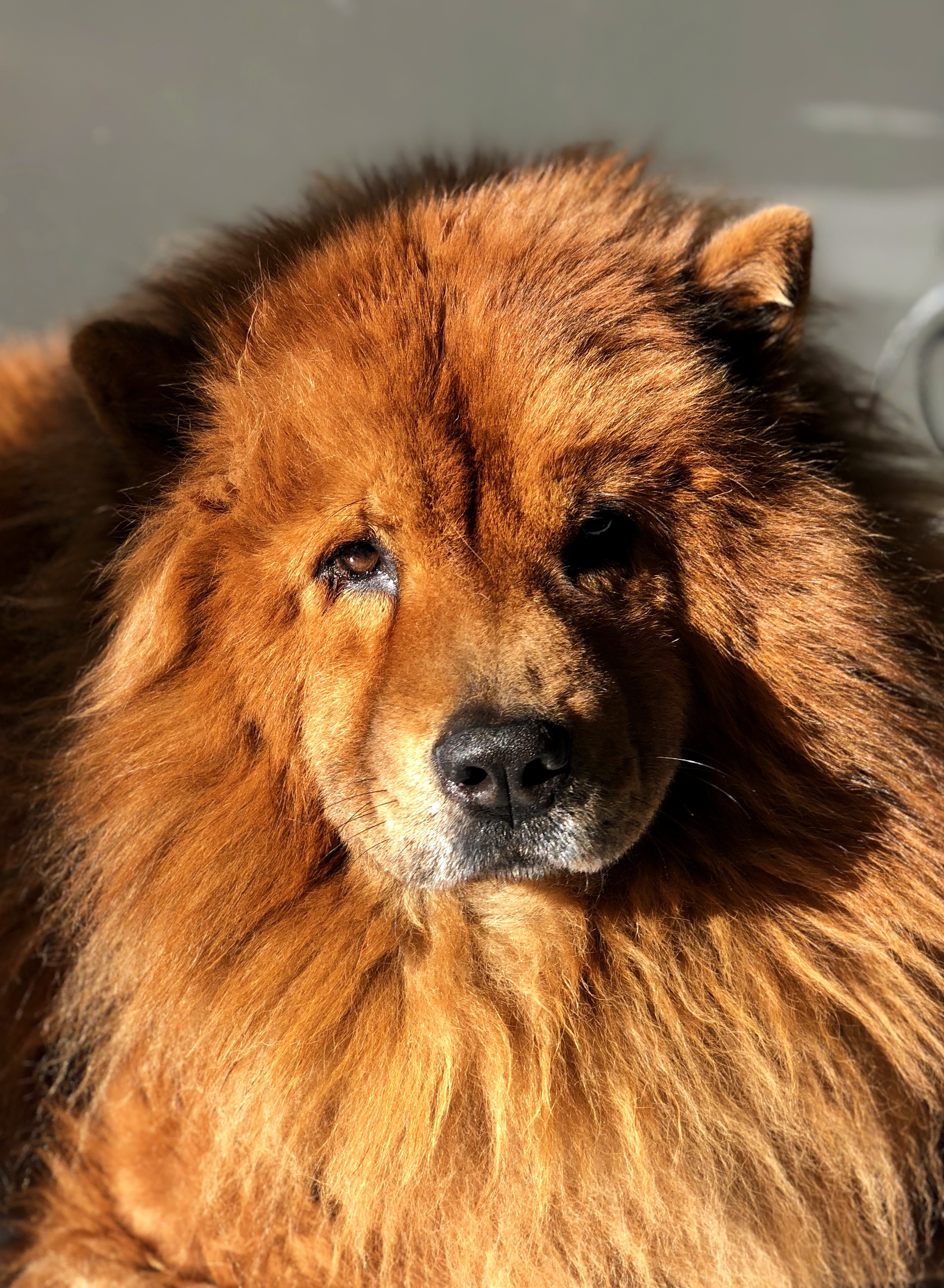
1. Hip Dysplasia & Joint Disease
Hip dysplasia is one of the most significant inherited health conditions in the Chow Chow. Their sturdy, dense build places considerable stress on the hip joints, and the condition often worsens progressively through the senior years, causing chronic pain, a stiff or swaying gait, and reluctance to rise or navigate stairs.
Chow Chows are stoic by nature — they rarely whimper or show obvious pain. Watch instead for subtle behavioral changes: choosing to lie down rather than sit, a slower rise from rest, less interest in walks, or an unusual stiffness in the hindquarters after sleep. Maintaining a lean body weight is among the most impactful things you can do to slow joint decline.
Supports cartilage repair and reduces joint inflammation — a daily essential for the senior Chow Chow managing hip dysplasia and arthritis.
View on Amazon →A thick orthopedic bed cushions pressure points from hips and elbows and makes rising easier for a heavy senior Chow.
View on Amazon →Reduces systemic inflammation driving arthritis and supports the Chow's thick double coat — a dual benefit for senior health and appearance.
View on Amazon →2. Entropion & Eye Problems
Entropion — a condition where the eyelid rolls inward, causing the eyelashes to constantly rub against the cornea — is extremely common in Chow Chows and is related to their characteristic wrinkled, heavy facial skin. It causes chronic irritation, pain, and if left untreated, corneal scarring and vision loss. Many Chows are surgically corrected as puppies, but senior dogs may develop recurrence or worsening as facial skin relaxes further with age.
Watch for squinting, excessive tearing, eye rubbing, or visible redness and irritation. Annual ophthalmic evaluations are strongly recommended. Additionally, cataracts and age-related vision changes become more common after age 8.
Supports Chow Chows with vision impairment from entropion complications or cataracts — helps them navigate safely in low light.
View on Amazon →3. Hypothyroidism
Hypothyroidism is notably prevalent in Chow Chows and often presents or worsens in middle age and the senior years. An underactive thyroid gland slows the metabolism and affects almost every body system. Common signs include weight gain without dietary changes, profound lethargy, heat-seeking behavior, skin thickening, a dull or thinning coat, and recurrent skin infections.
The condition is very manageable with daily oral medication, and most dogs show marked improvement within weeks of starting treatment. Annual thyroid panels are recommended for all senior Chows, as the disease can be easily missed when symptoms are attributed simply to "slowing down with age."
A calorie-controlled senior diet helps manage weight gain — a critical concern for hypothyroid Chow Chows with slower metabolisms.
View on Amazon →4. Skin & Coat Care
The Chow Chow's magnificent double coat — whether rough or smooth — is one of the breed's most defining features, and it demands serious grooming attention in the senior years. The skin beneath the coat becomes drier and more prone to infection, hot spots, and sebaceous cysts as dogs age. Their characteristic skin folds on the face can harbor yeast and bacteria, particularly if the dog has hypothyroidism, which worsens skin issues significantly.
Regular brushing prevents painful mats that pull on aging skin. During grooming sessions, gently clean the facial folds with a damp cloth and check for redness, odor, or discharge. Bathe with a gentle, moisturizing shampoo appropriate for sensitive senior skin.
Moisturizes aging, sensitive skin beneath the Chow's thick coat without stripping natural oils. Ideal for preventing dry skin and irritation in skin folds.
View on Amazon →5. Heat Sensitivity
The Chow Chow's dense, thick coat and their tendency toward respiratory inefficiency make heat a serious danger, especially in senior dogs whose cardiovascular and cooling systems are less robust. Even on mild days, a Chow Chow can overheat faster than owners expect. Senior Chows should be kept in air-conditioned spaces during warm weather, walked only in the cool of early morning or evening, and never left in vehicles.
Signs of heat stress — excessive panting, drooling, glazed eyes, or stumbling — require immediate cooling and veterinary attention.
6. Bloat (GDV)
While not as deep-chested as some breeds, Chow Chows have enough chest depth to be at elevated risk for bloat (Gastric Dilatation-Volvulus), especially as they age. GDV is a life-threatening emergency in which the stomach fills with gas and rotates. Feed two smaller meals daily, avoid vigorous exercise after eating, and discuss prophylactic gastropexy with your vet for at-risk dogs.
Bloat — Emergency Warning Signs
- Distended, hard, or painful abdomen
- Unproductive retching — trying to vomit without producing anything
- Extreme restlessness or inability to find a comfortable position
- Pale gums, rapid breathing, or signs of shock
7. Mobility & Home Safety
A senior Chow Chow with hip dysplasia and arthritis struggles significantly on slippery floors — their heavy build makes falls both more likely and more damaging. Creating a safe, traction-rich home environment prevents injury and supports the Chow's desire to move with dignity and independence.
Provides secure footing for a heavy senior Chow navigating hard floors with joint pain or hip dysplasia.
View on Amazon →Anchors rugs firmly so your Chow can push off when rising without slipping — critical for managing joint pain on hard floors.
View on Amazon →Eliminates high-impact jumping for a heavy senior Chow with hip problems. Protects joints with every car trip or furniture access.
View on Amazon →8. Mental Enrichment & Emotional Wellbeing
Chow Chows are not demonstrative dogs — but they are profoundly bonded to their chosen person, and changes in that relationship are felt deeply. Senior Chows may become more attached as they age, more sensitive to changes in routine, or more anxious when alone. While they are not an overtly playful breed, gentle mental engagement — short training refreshers, calm scent games, and structured daily routine — keeps their sharp minds from turning inward.
Provides calm, independent mental stimulation suited to the Chow's self-directed personality. Helps prevent boredom and cognitive decline.
View on Amazon →Monitor your senior Chow remotely for signs of anxiety, pain behavior, or distress — especially important for a breed that hides discomfort.
View on Amazon →9. Joint & Collagen Support
Supports connective tissue, skin elasticity, and joint cartilage integrity — beneficial for the aging Chow's joints, skin folds, and overall mobility.
View on Amazon →Encourages consistent hydration — important for kidney and urinary health in senior Chows, particularly if on long-term medications.
View on Amazon →Supports joint comfort and promotes calm in the stoic, independent senior Chow. Easy to add to food as a daily wellness supplement.
View on Amazon →Treat-format daily supplement for joint and anxiety support — ideal for the senior Chow who accepts treats but resists fuss.
View on Amazon →Senior Vet Checklist for Chow Chows
- Annual thyroid panel — hypothyroidism is very common in the breed
- Ophthalmic exam — monitor entropion and age-related vision changes
- Hip assessment — X-rays to track dysplasia progression
- Skin fold inspection at every visit — yeast and bacterial infections
- Full bloodwork every 6–12 months from age 8
- Body condition scoring — weight management is critical with hypothyroidism
Assists a heavy senior Chow when rising or navigating difficult terrain, protecting both the dog and your back.
View on Amazon →Honor the Ancient Soul in Your Senior Chow 🐾
The Chow Chow has been a companion to humanity for thousands of years — dignified, faithful, and quietly extraordinary. Their golden years deserve the same attentive, respectful care they have always offered you in their own noble way.