1. Hip Dysplasia & Joint Disease
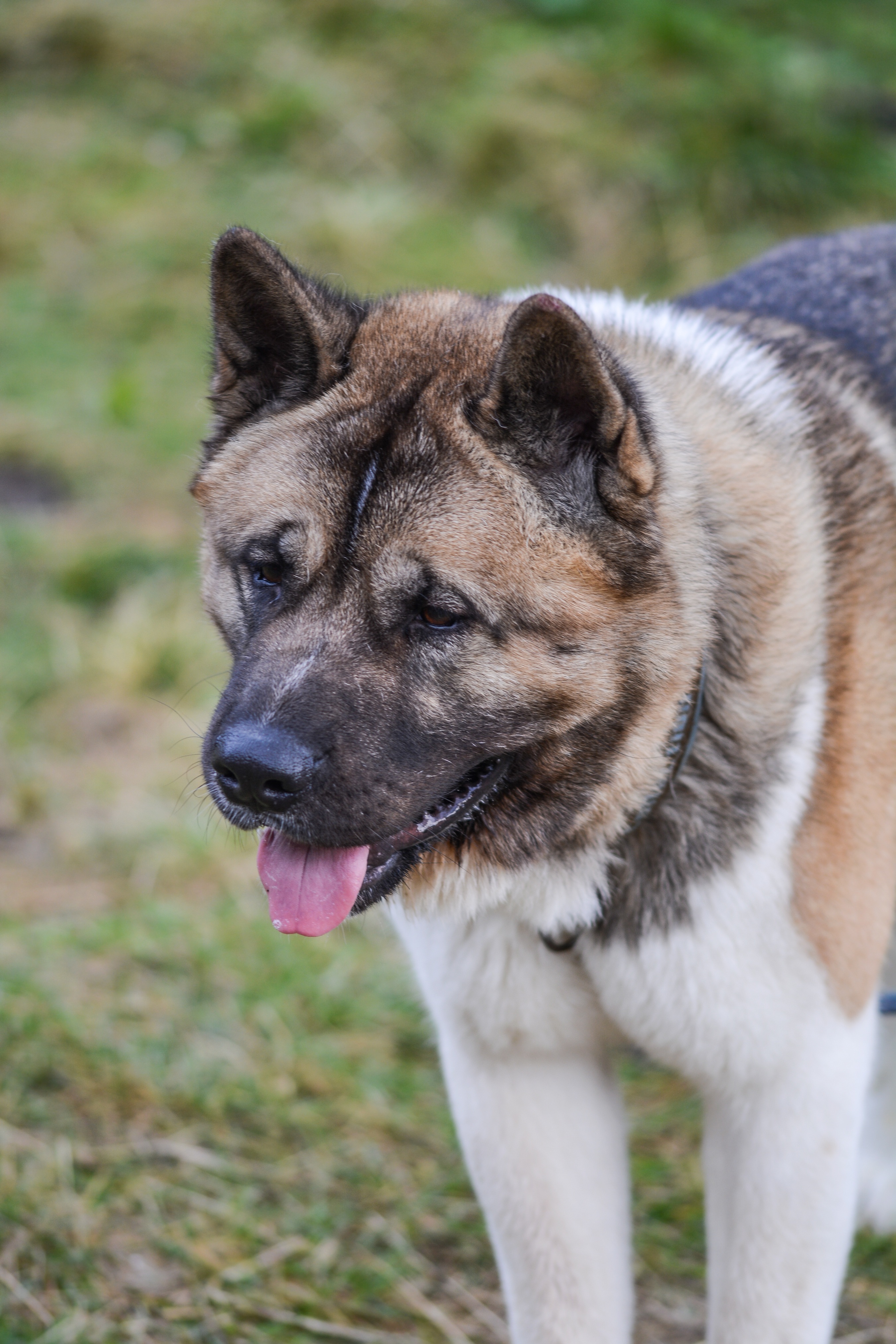
Akitas are a large, heavy breed and hip dysplasia is one of their most significant inherited health concerns. As they age, the cartilage that cushions the hip joint deteriorates, causing chronic pain, reduced range of motion, and progressive lameness. Because Akitas tend to hide discomfort, owners often notice only subtle changes — a reluctance to climb stairs, difficulty rising, or less enthusiasm for walks.
Early intervention matters. Keeping your Akita at a lean body weight, providing joint support, and maintaining low-impact exercise such as swimming or slow leash walks helps slow the progression significantly.
Supports cartilage repair and reduces inflammation in the hip and elbow joints — a daily essential for large senior breeds like the Akita.
View on Amazon →A large-format orthopedic bed cushions the pressure points of a heavy senior Akita and helps them rise more easily in the morning.
View on Amazon →Eliminates the high-impact jumping that stresses dysplastic hips. A must-have for any large senior dog with joint issues.
View on Amazon →2. Autoimmune Conditions
The Akita breed has a notably higher prevalence of autoimmune diseases than most other breeds. Conditions like immune-mediated hemolytic anemia (IMHA), pemphigus (a skin autoimmune disease), autoimmune thyroiditis, and Vogt-Koyanagi-Harada (VKH) syndrome — which affects the eyes and skin — are all seen more frequently in Akitas.
Autoimmune conditions can be triggered or worsened by certain vaccines, medications, or infections. It's important to discuss a tailored vaccination protocol with a vet experienced with the breed. Watch for sudden lethargy, pale gums, eye changes, or skin lesions, and seek immediate care if these appear.
Autoimmune Warning Signs
- Sudden extreme fatigue or collapse
- Pale or yellowish gums (anemia)
- Loss of pigmentation around the nose, lips, or eyes
- Skin crusting, blistering, or hair loss
- Sudden vision changes or eye redness
3. Hypothyroidism
Hypothyroidism — an underactive thyroid gland — is very common in middle-aged and senior Akitas. The thyroid regulates metabolism, and when it underperforms, the effects touch nearly every system in the body. Symptoms include unexplained weight gain, lethargy, heat-seeking behavior, a dull or thinning coat, skin infections, and a slowed heart rate.
The good news is that hypothyroidism is highly manageable with daily oral medication. Once regulated, most dogs experience a remarkable improvement in energy, coat quality, and overall wellbeing. Annual thyroid panels are recommended for all senior Akitas.
Supports thyroid and metabolic health while reducing skin inflammation common in hypothyroid Akitas. Also benefits the thick double coat.
View on Amazon →4. Bloat (Gastric Dilatation-Volvulus)
GDV — commonly called bloat — is a life-threatening emergency in which the stomach fills with gas and twists on itself, cutting off blood supply. Deep-chested breeds like the Akita are significantly more at risk, and the danger increases with age. GDV can kill within hours without emergency surgery.
Prevention strategies include feeding two smaller meals daily instead of one large one, avoiding exercise for at least an hour after eating, using a slow-feeder bowl, and discussing prophylactic gastropexy (surgical stomach tacking) with your vet — particularly for Akitas who haven't had the procedure.
Encourages steady, calm hydration throughout the day rather than large gulps before or after activity — a helpful habit for bloat-prone breeds.
View on Amazon →Signs of Bloat — Act Immediately
- Distended, hard, or painful abdomen
- Unproductive retching or gagging
- Extreme restlessness or inability to get comfortable
- Rapid, shallow breathing
- Pale gums or signs of shock
5. Progressive Retinal Atrophy & Eye Health
Akitas are prone to several hereditary eye conditions including Progressive Retinal Atrophy (PRA), which causes gradual vision loss leading to blindness, and entropion, where the eyelid rolls inward and irritates the cornea. Autoimmune-related VKH syndrome can also affect the eyes, causing uveitis and potential vision loss.
Annual ophthalmic exams are important for senior Akitas. A dog who begins bumping into things at night, shows hesitation in low light, or has reddened, cloudy, or watery eyes should be evaluated promptly.
Helps vision-impaired seniors navigate at night, reducing anxiety and the risk of falls or collisions in a darkened home.
View on Amazon →6. Kidney Disease
Chronic kidney disease (CKD) becomes increasingly common in senior Akitas. The kidneys gradually lose their ability to filter waste from the blood, leading to a buildup of toxins. Early signs can be subtle: increased thirst and urination, reduced appetite, occasional vomiting, and weight loss. Without management, CKD progresses to more serious complications.
Senior bloodwork panels including kidney values (BUN, creatinine, SDMA) should be run at least annually — ideally every six months for dogs over 9. Hydration is critical; encourage water intake at all times. A kidney-supportive diet low in phosphorus may be recommended once diagnosis is confirmed.
Senior-formulated foods support kidney and organ health with controlled protein and phosphorus levels appropriate for aging large breeds.
View on Amazon →7. Coat & Skin Care
The Akita's thick double coat is one of their most striking features, but it requires attentive care in the senior years. Hormonal changes from hypothyroidism or age can cause the coat to thin, lose its luster, or develop a dull, dry texture. Skin can become more sensitive and prone to infections or sebaceous cysts.
Regular brushing not only manages shedding but allows you to check for lumps, bumps, and skin changes during every session. Use a gentle, moisturizing shampoo formulated for sensitive skin, and avoid overbathing which strips the coat's natural oils.
Moisturizes and soothes the dry, sensitive skin common in senior Akitas without stripping the natural oils of their double coat.
View on Amazon →8. Mobility & Home Safety
As joint disease progresses, your Akita's large frame becomes harder to manage on slippery surfaces. Hardwood and tile floors can be genuinely dangerous — a fall for a large senior dog can cause serious injury and dramatically accelerate decline. Creating a safe, traction-rich home environment is an important and often overlooked aspect of senior Akita care.
Provides secure footing on hard floors throughout the home — essential for heavy senior dogs with hip dysplasia or joint pain.
View on Amazon →Keeps rugs firmly anchored so your Akita can push off and rise without slipping — critical for dogs with hip and joint issues.
View on Amazon →Helps you assist your Akita when rising or navigating stairs, protecting both the dog and your back when supporting a large senior breed.
View on Amazon →9. Mental Health & Collagen Support
Akitas are deeply loyal and bond intensely with their families. Changes in routine, the loss of a companion animal, or reduced physical ability can cause anxiety and depression in senior Akitas. Their stoic nature means these emotional changes are often missed. Watch for changes in their quiet routines — less interest in greeting you, unusual clinginess, or restless nights.
Mental enrichment through gentle sniff walks, puzzle feeders, and calm training sessions helps maintain cognitive sharpness and emotional connection through the senior years.
Provides calm mental stimulation that keeps an Akita's sharp mind engaged without demanding physical exertion from aging joints.
View on Amazon →Supports joint cartilage, skin elasticity, and connective tissue integrity — particularly beneficial for large senior breeds with high body weight.
View on Amazon →Monitor your Akita remotely for signs of pain, anxiety, or unusual behavior — especially important for a breed that hides discomfort.
View on Amazon →10. Hemp Products for Daily Comfort
For managing day-to-day discomfort between vet visits, hemp-based products can be a gentle addition to your senior Akita's wellness routine — particularly for joint stiffness, anxiety, and general wellbeing.
Easily added to food, supports joint comfort and reduces anxious behaviors. A calming daily supplement for the stoic senior Akita.
View on Amazon →A treat-format option for daily joint and anxiety support — convenient and palatable for even the most selective senior dogs.
View on Amazon →Senior Vet Checklist for Akitas
- Biannual bloodwork including thyroid, kidney, and liver panels
- Annual ophthalmic exam for PRA and eye disease
- Hip and joint X-rays to monitor dysplasia progression
- Discuss tailored vaccine protocol to reduce autoimmune risk
- Blood pressure monitoring — hypertension is common with kidney disease
- Discuss gastropexy if not already performed
Honor the Bond Your Akita Has Always Offered 🐾
No breed gives more quietly or more completely than the Akita. Their golden years deserve the same devotion they've given you every day — attentive care, a safe home, and the dignity of being truly seen, even when they're too proud to ask for help.